From ideas to million-euro investment opportunities: Flaming Shield ‘26 hackathon concludes in Kaunas
Dron detection devices, autonomous laser counter-drone systems and AI-based airspace monitoring solutions – these were among the technologies presented by more than 250 participants at the defence technology hackathon “Flaming Shield ‘26: Defend the Sky”, held in Kaunas on 9–11 October. The most promising solutions received awards, and four teams caught the attention of investors, earning the opportunity to negotiate investments worth up to €3 million.
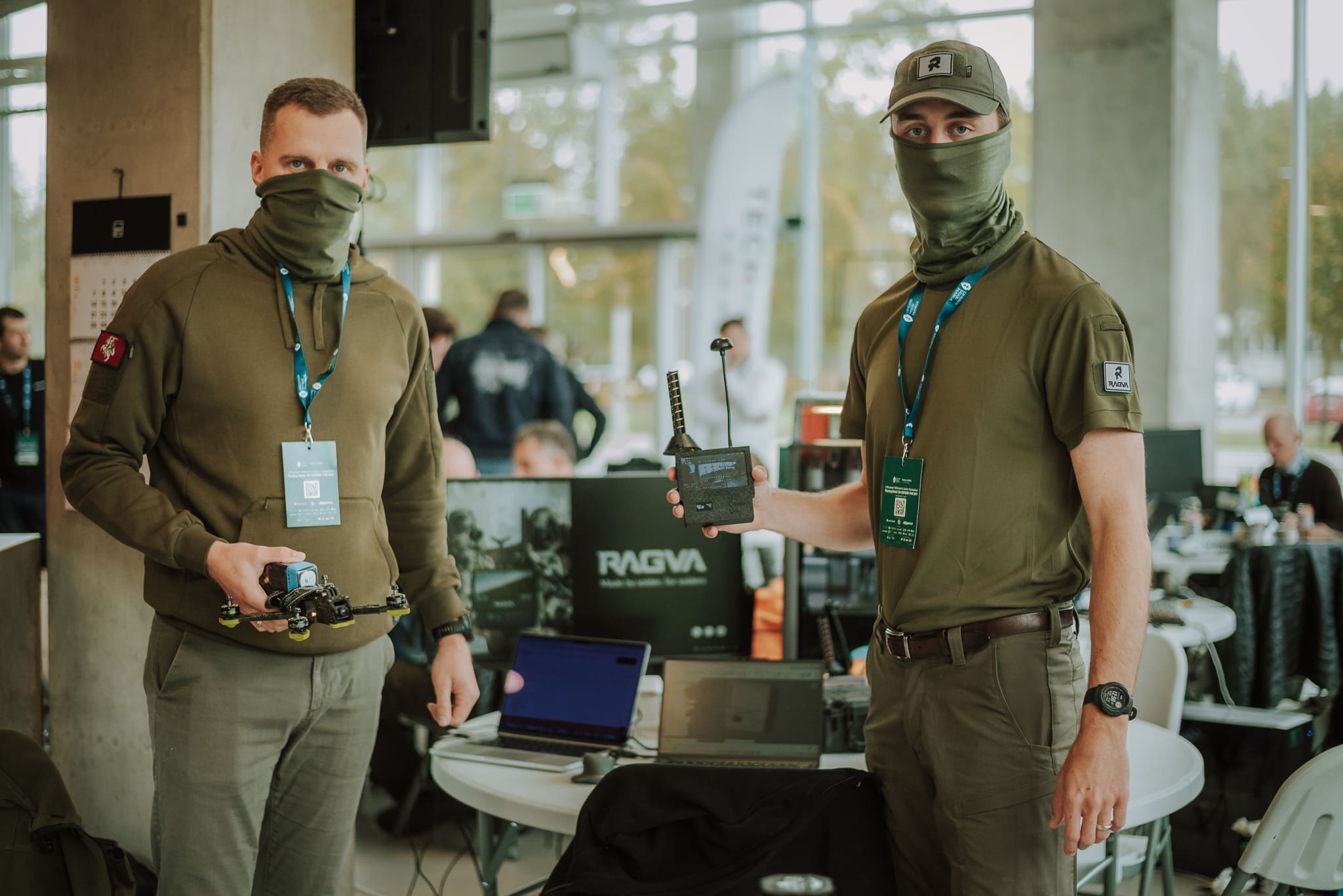
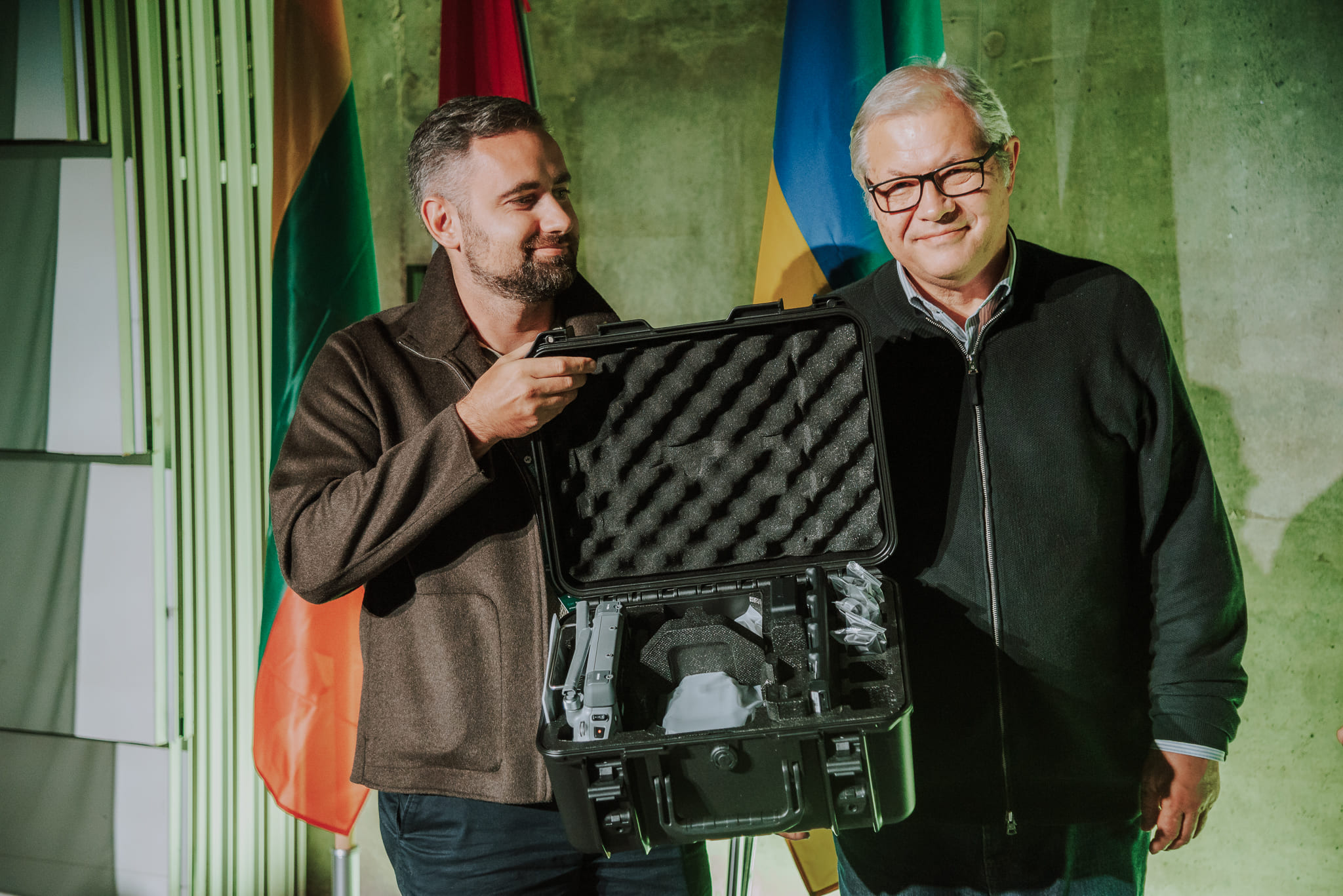
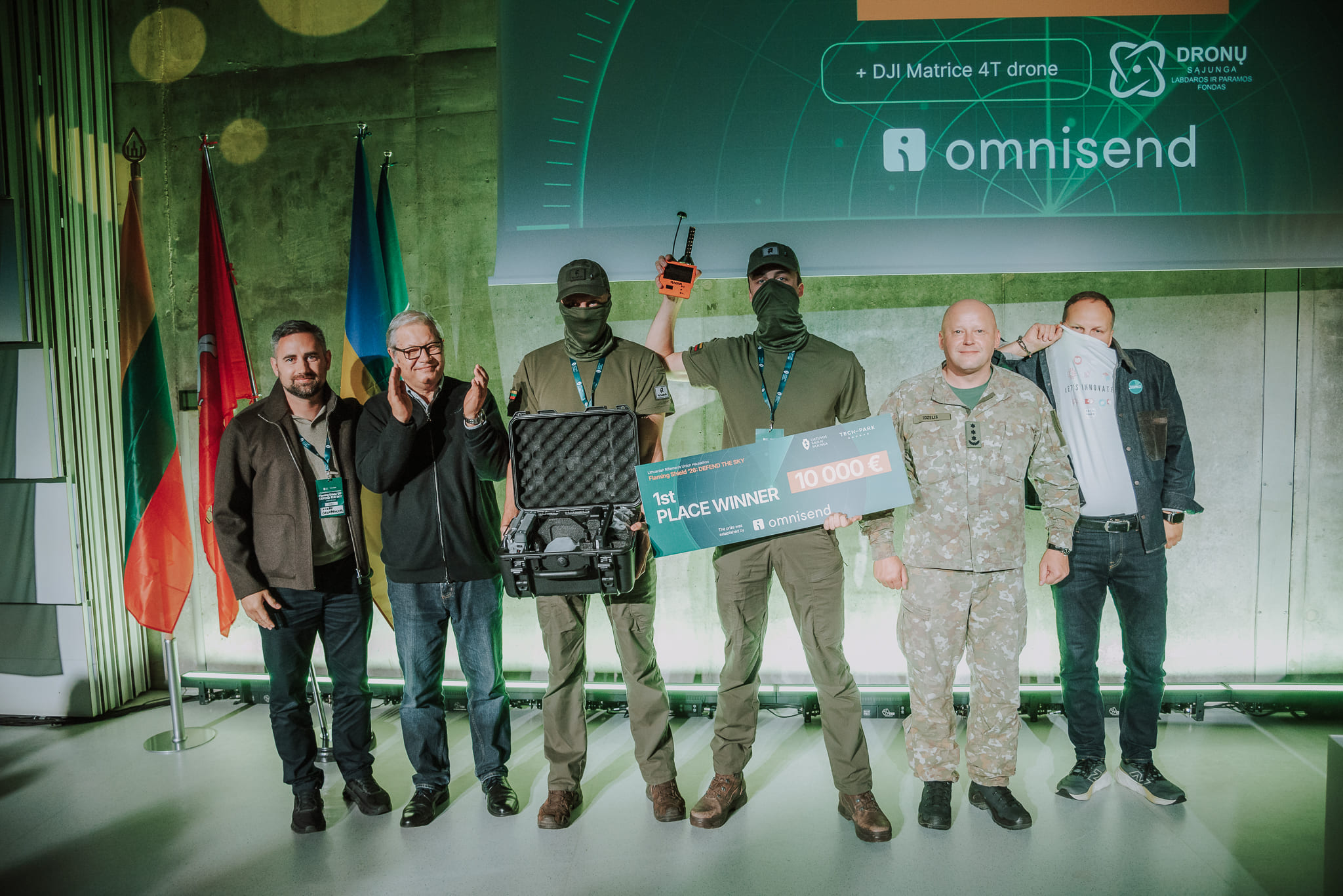
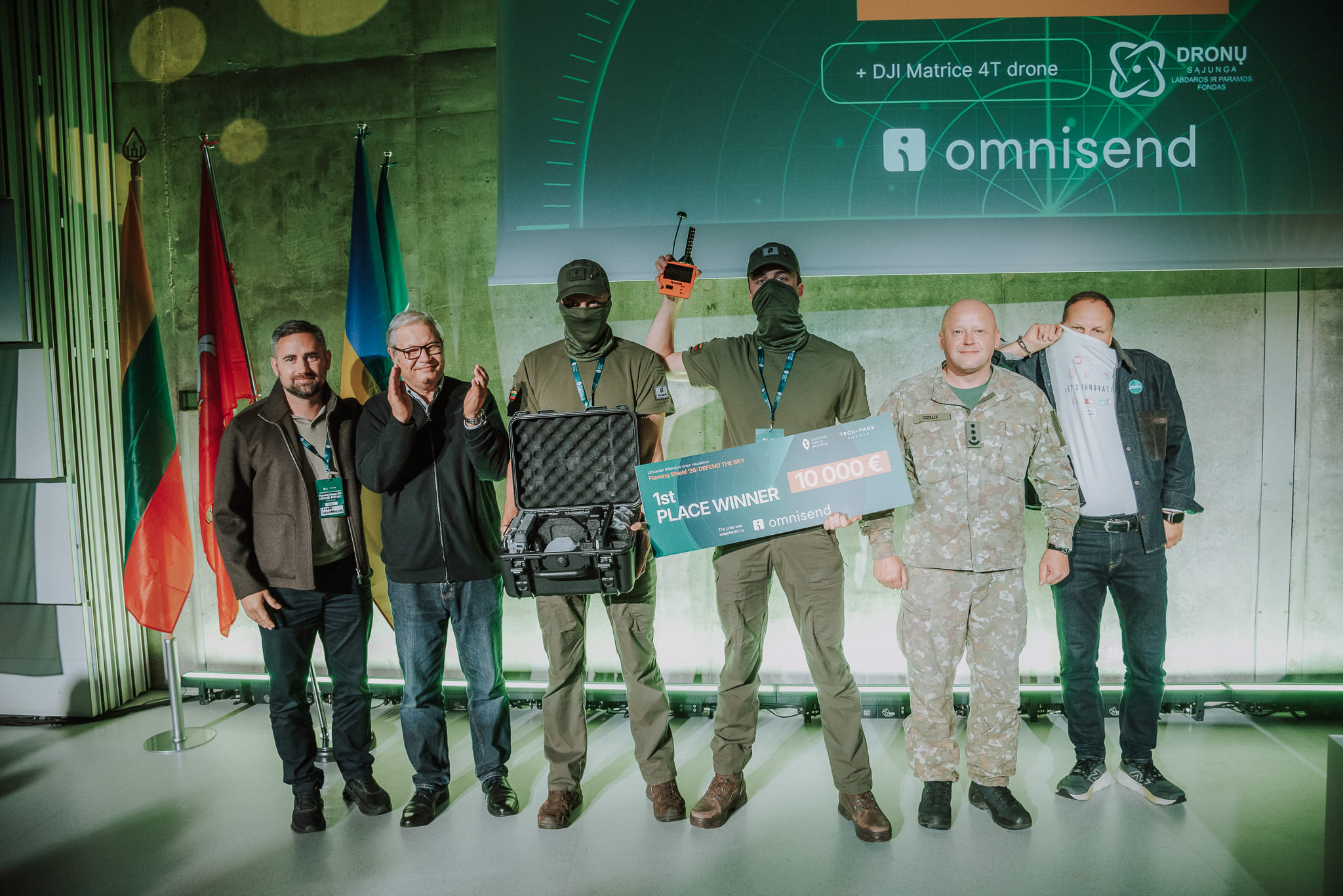
The main prize of €10,000 went to team “RAGVA”, which developed a portable device that detects FPV drone video signals and warns of threats in real time.
From idea to defence technology
This year’s theme, “Defend the Sky”, addressed one of the most pressing challenges in modern defence – airspace security. The experience of Russia’s war against Ukraine shows that technological superiority depends not only on existing capabilities, but also on the ability to rapidly develop, test and deploy new solutions.
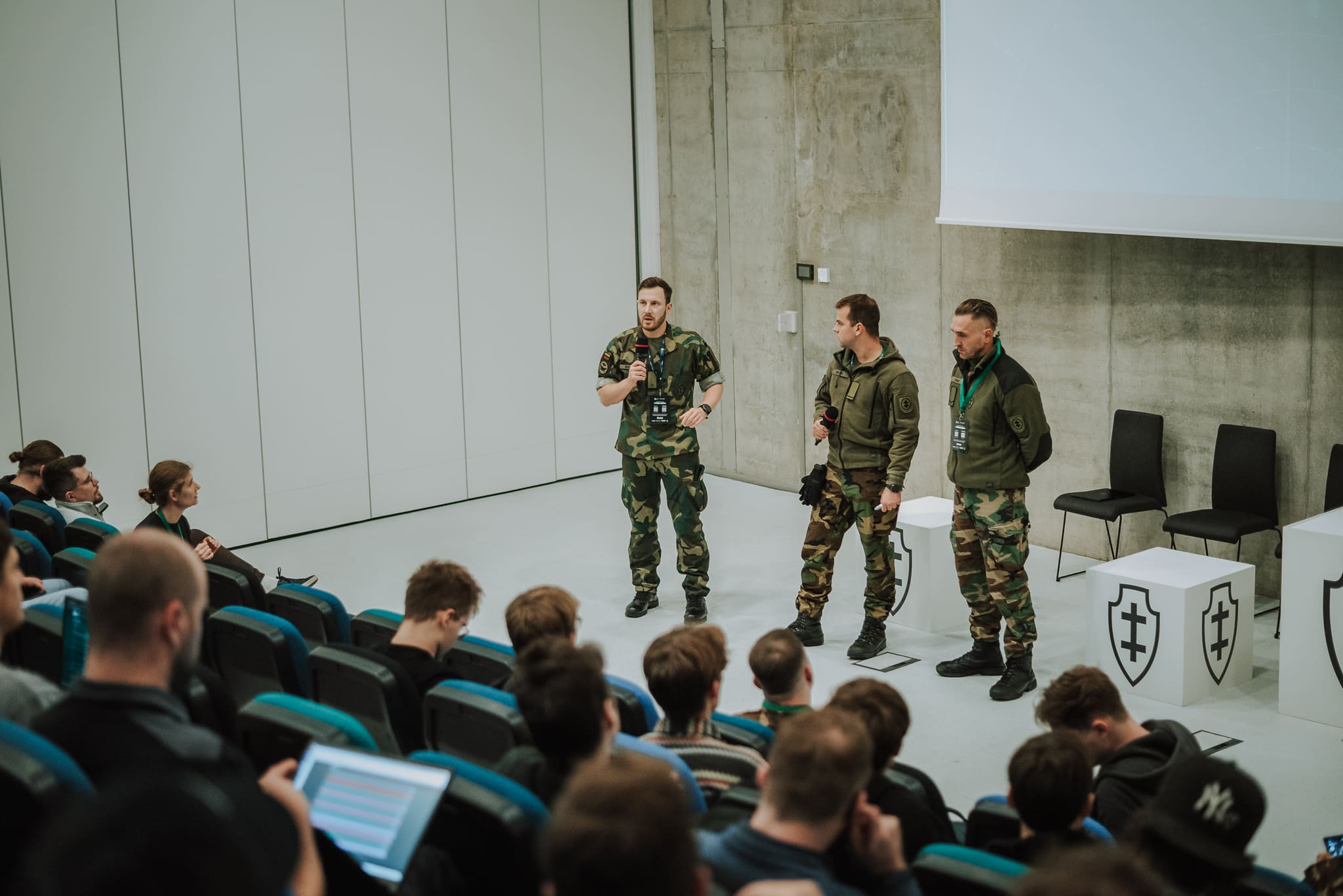
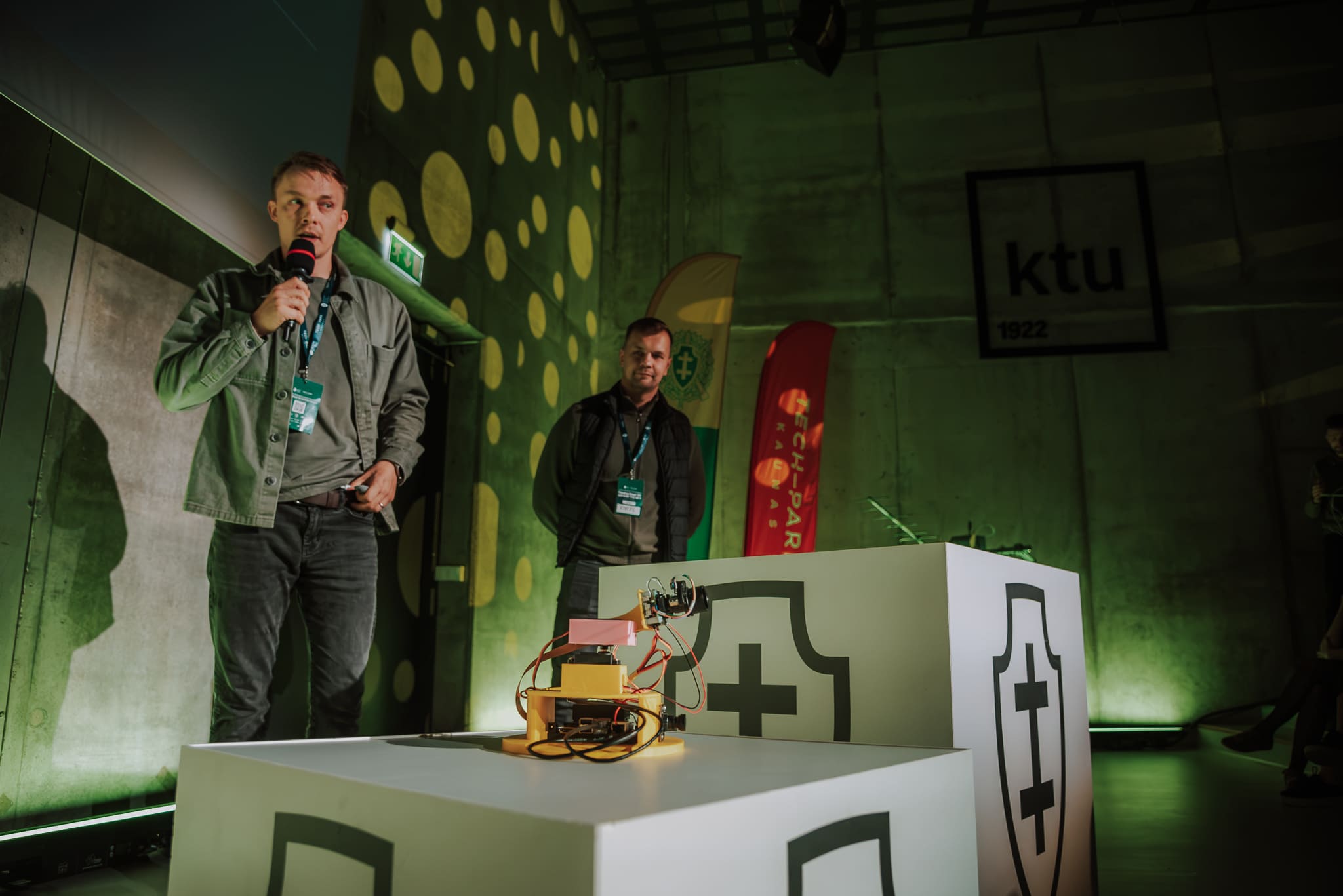
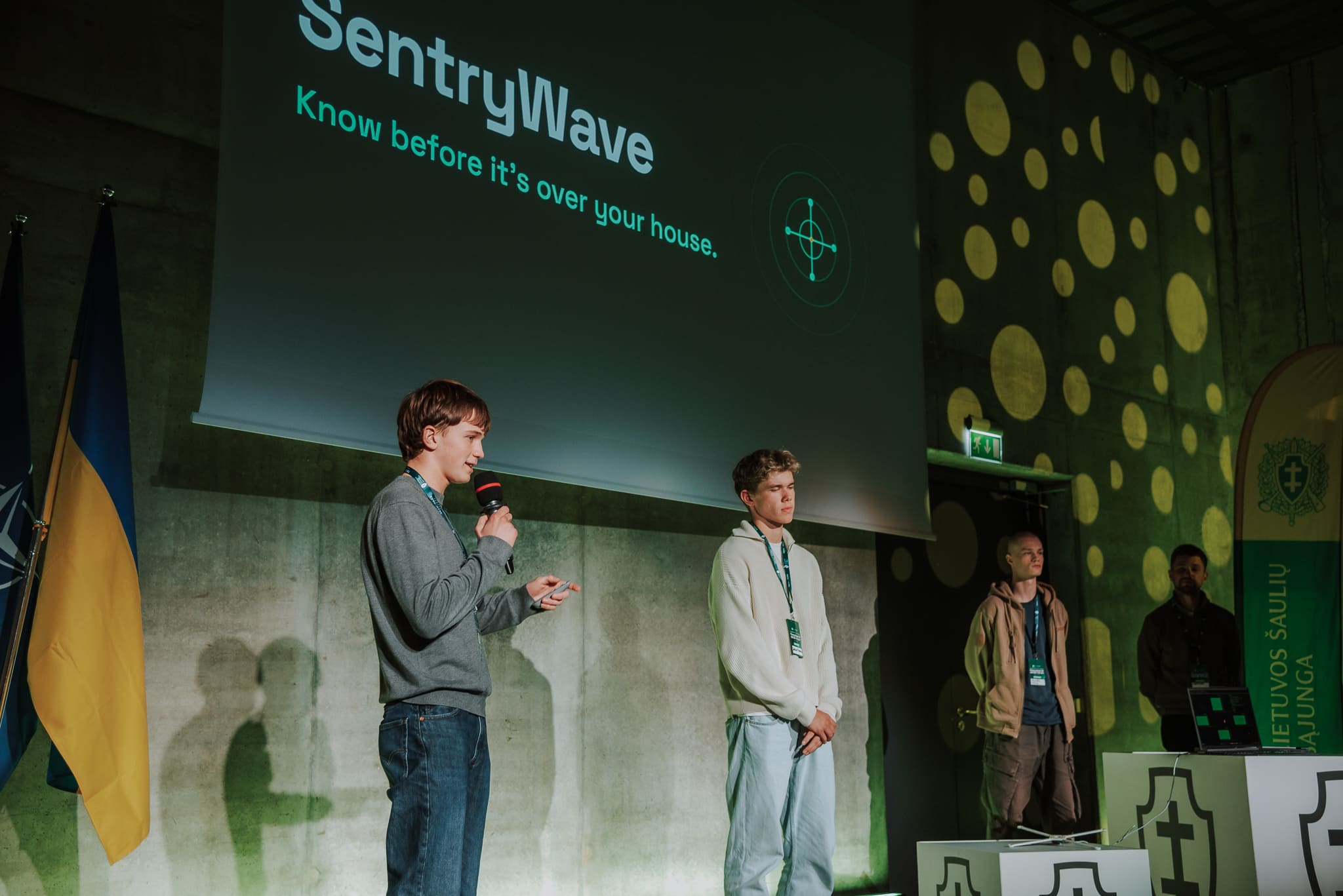
Some teams arrived at the hackathon with working prototypes, while others tackled six challenges set by the organisers and partners. Participants developed AI-based air threat forecasting systems, solutions allowing drones and crewed aircraft to operate safely in shared airspace, vessel identification technologies that work without GPS, and tools for tactical airspace monitoring and force command.
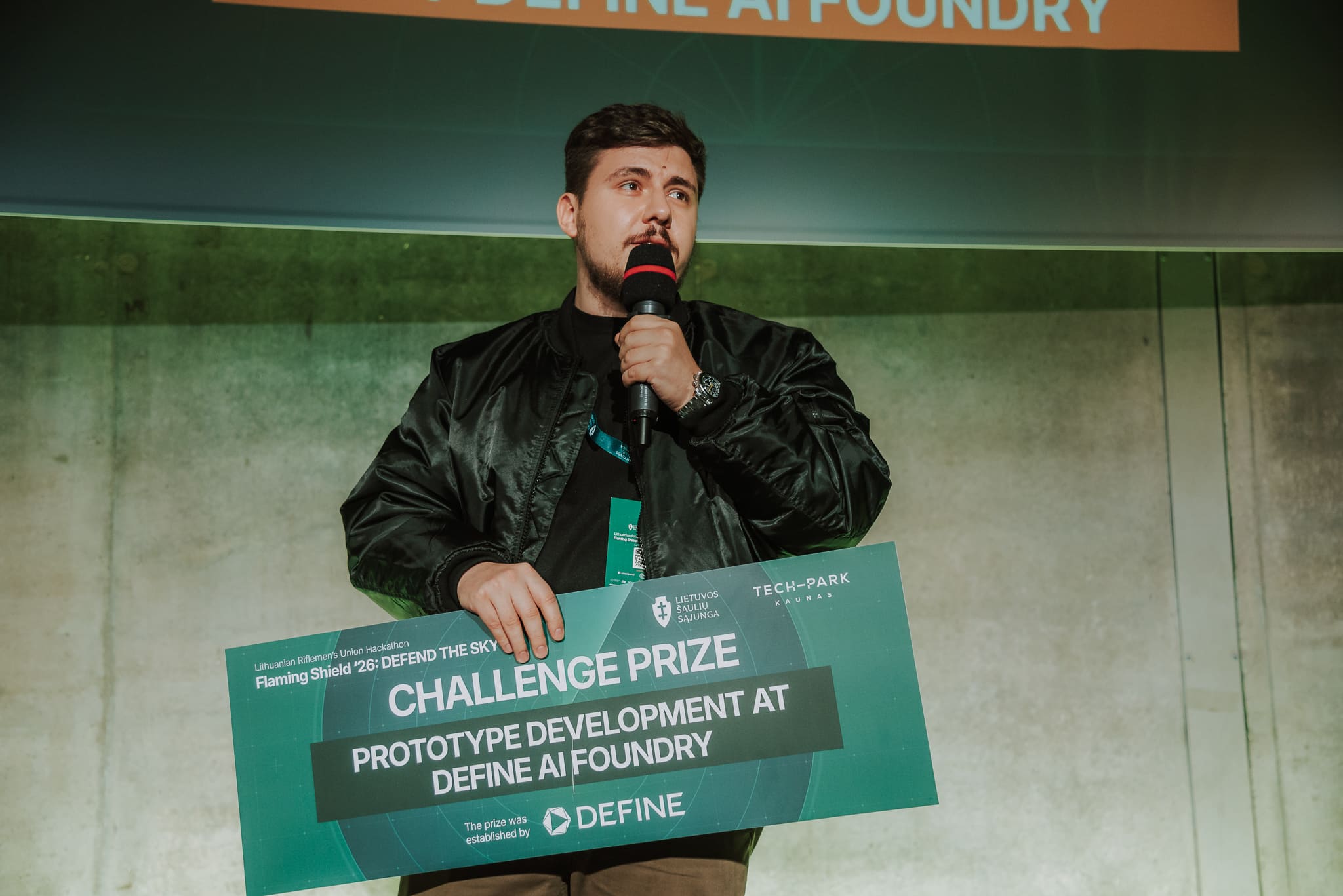
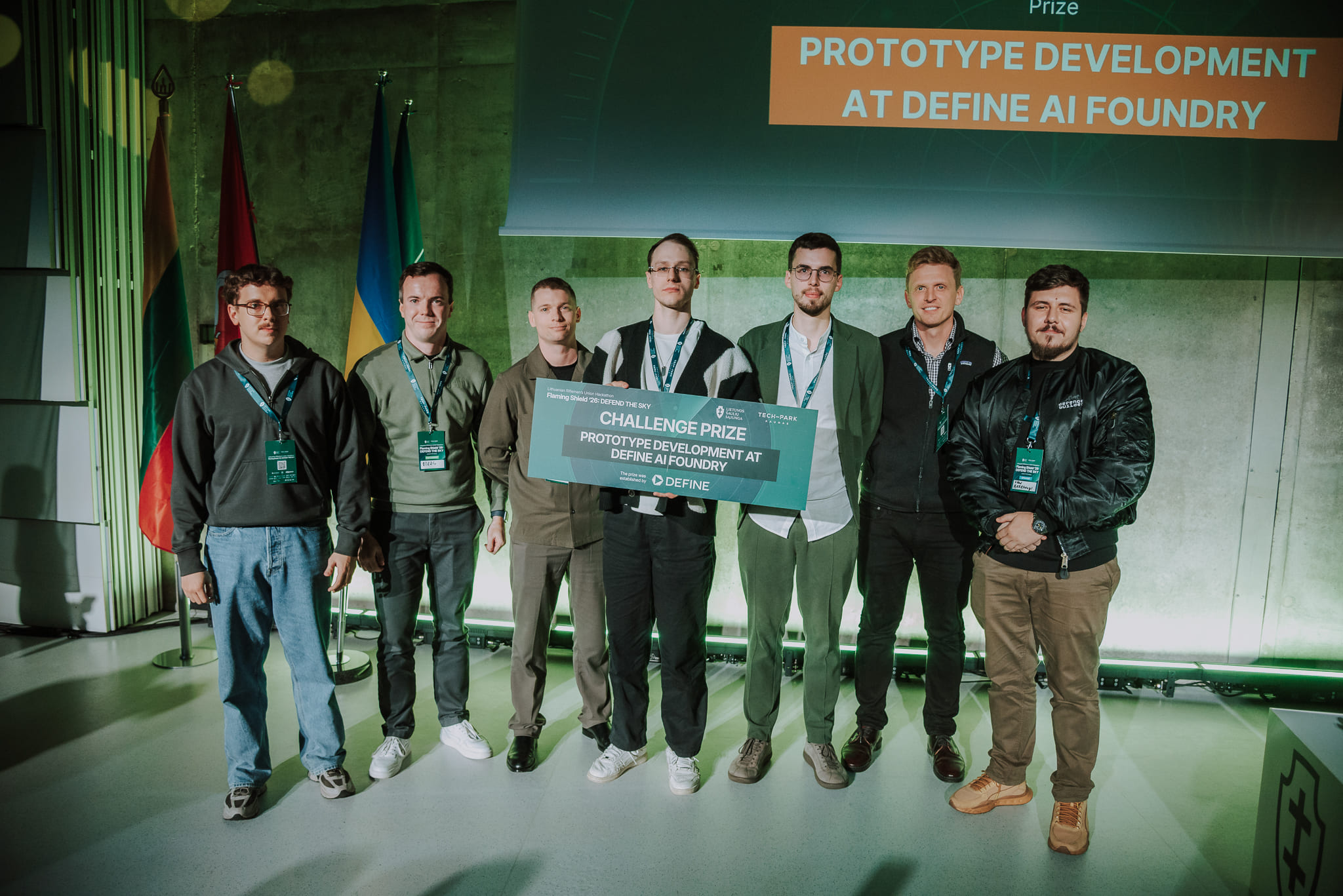
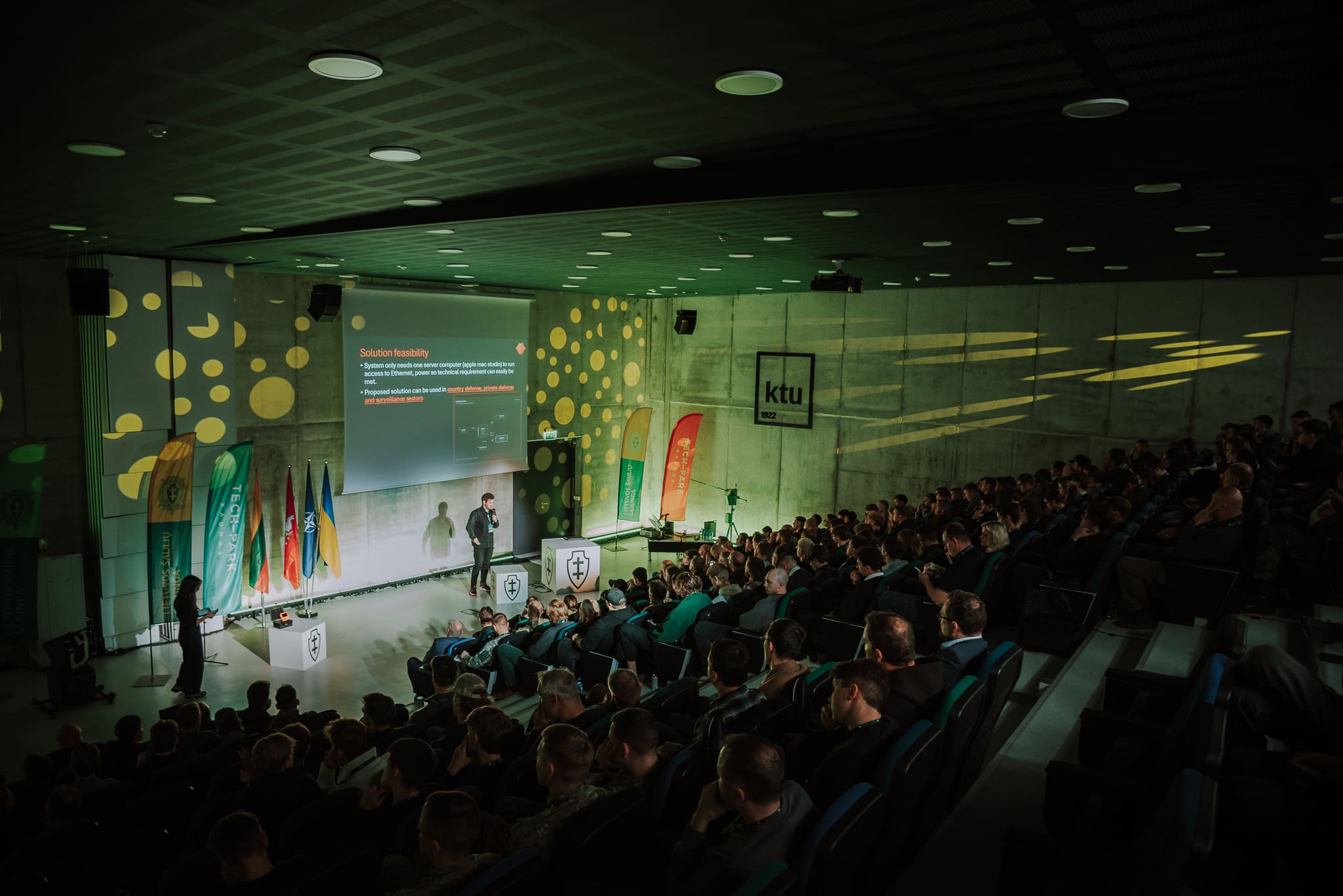
One of the challenges, focused on protecting airspace with artificial intelligence, was set by “DEFINE AI Foundry”, a programme of Finland’s defence innovation network DEFINE. The teams were supported by more than 40 experts from the defence, technology and business sectors.
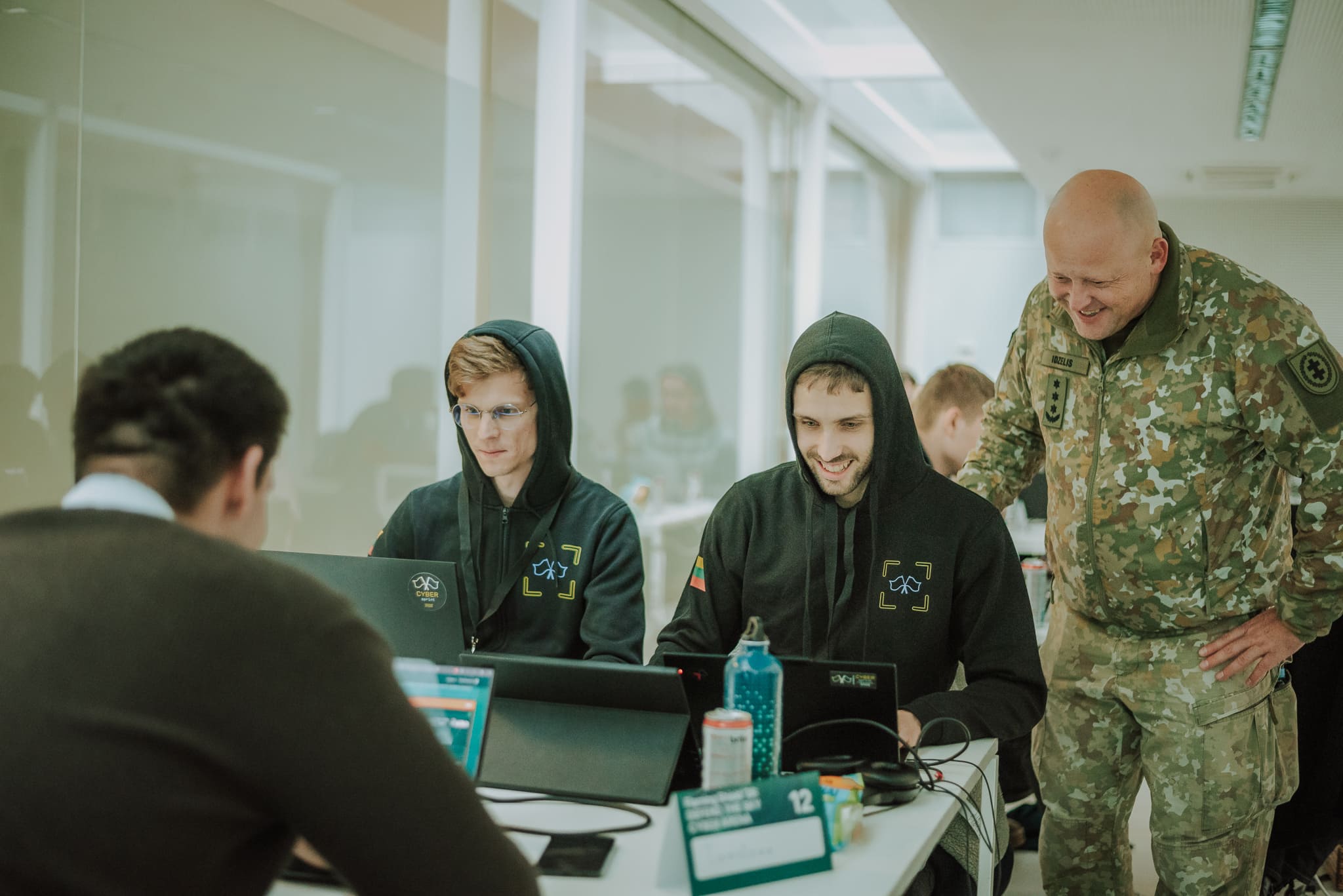
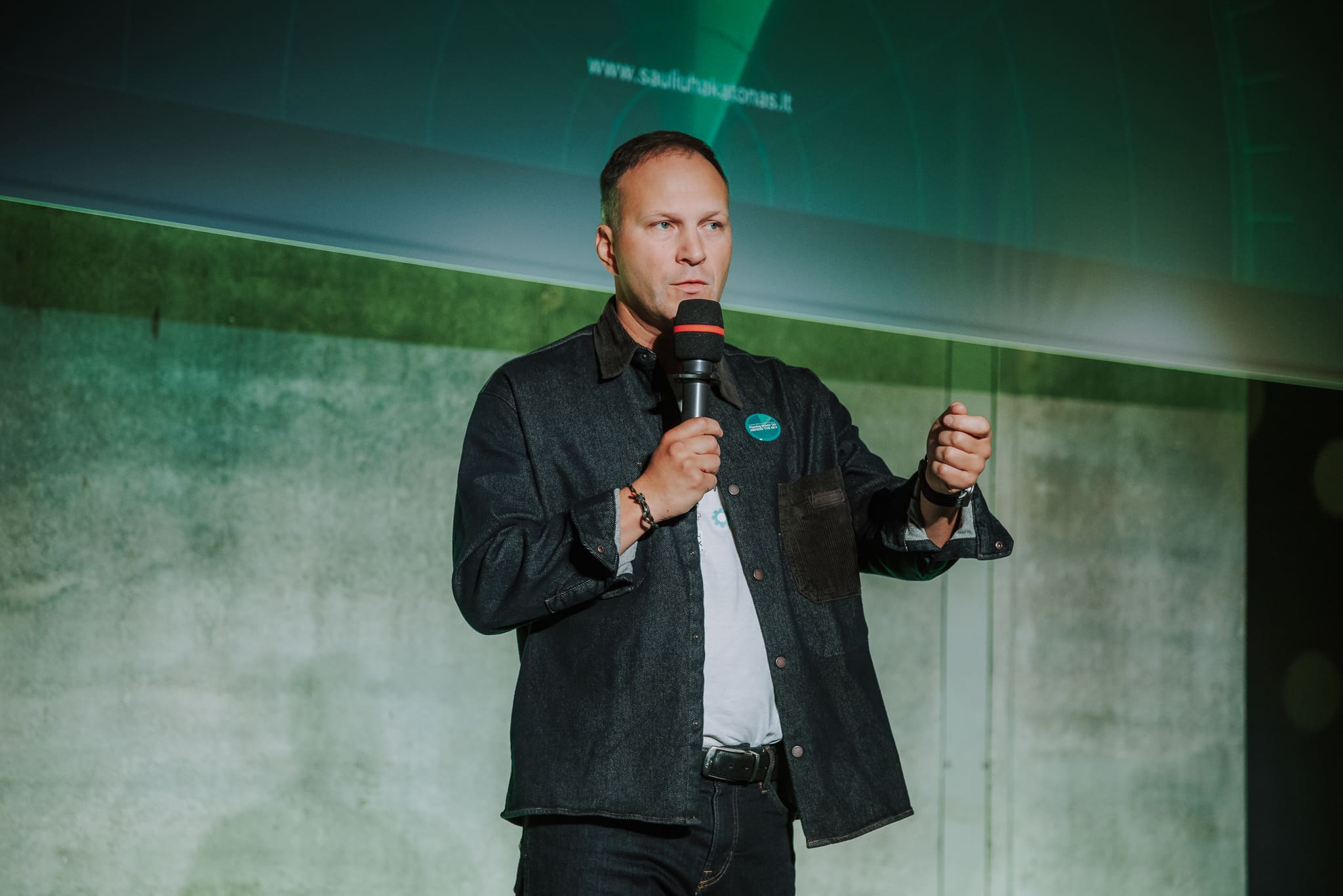
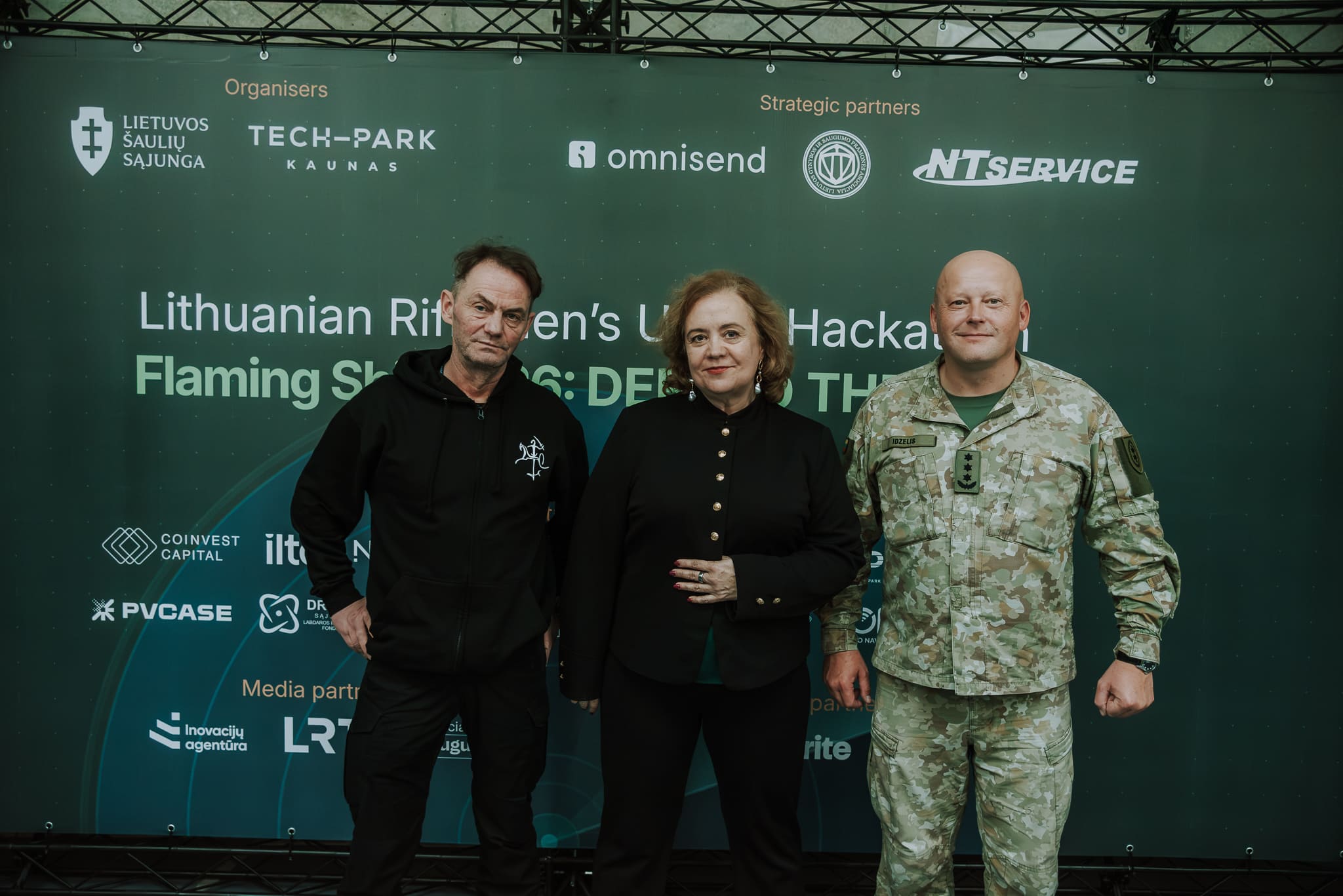
According to Col. Linas Idzelis, Commander of the Lithuanian Riflemen’s Union, the hackathon gives technology developers the chance not only to present their ideas, but also to build direct connections with future users, experts and investors.
“The level is rising sharply – you can see many technical people have gathered here with ideas. But an idea alone is not enough here – you need a solution, because you can attract investment. We see this hackathon as probably the only platform in Lithuania that can grow the defence industry this quickly and strengthen the country’s prestige,” says Col. Idzelis.
Top solutions – from drone detection to laser defence
The teams were evaluated by representatives of the Lithuanian Armed Forces, the defence industry, venture capital funds and Ukraine’s defence innovation ecosystem. The jury focused on the innovativeness of the technologies, their implementation and their potential for practical use in defence.
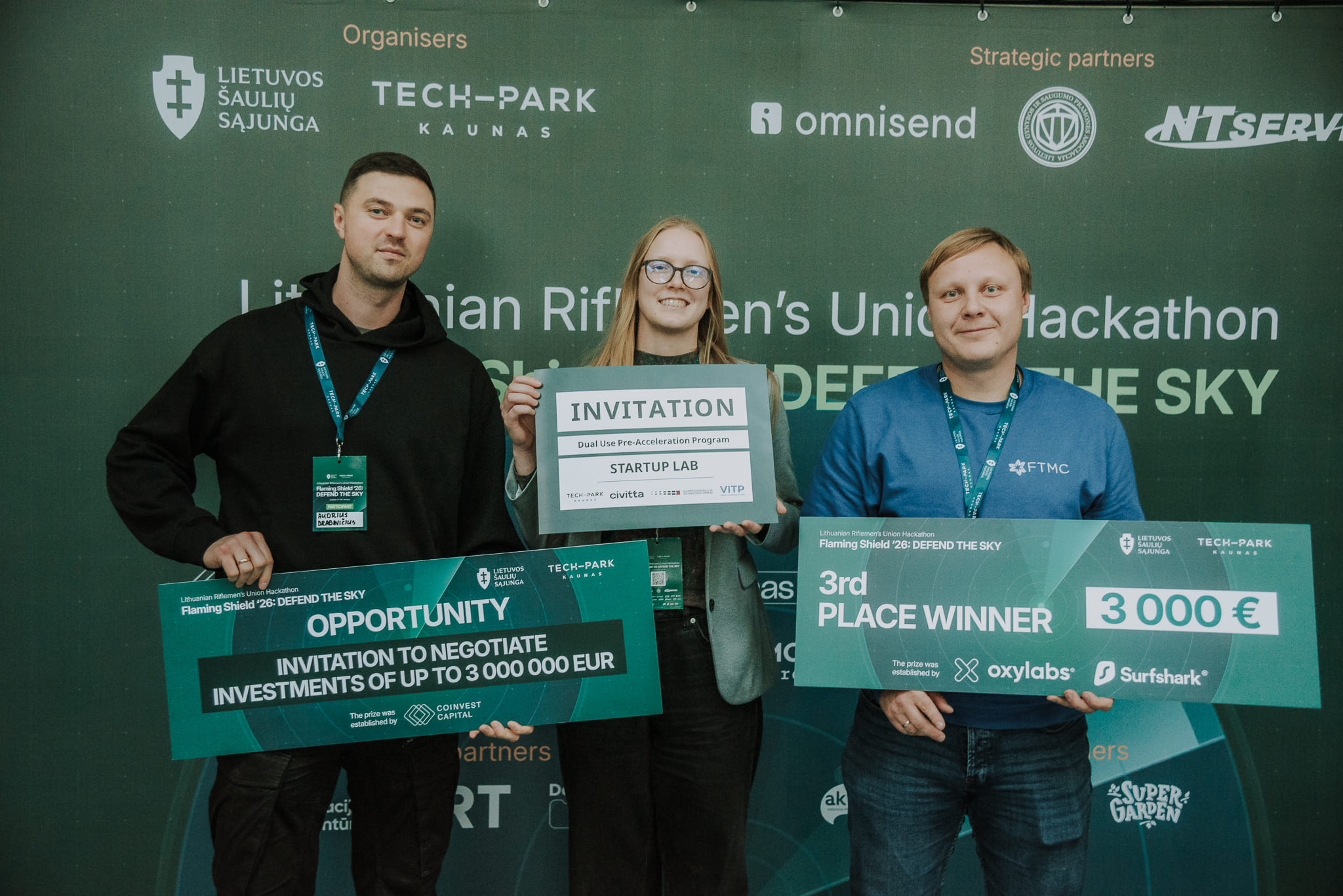
The FPV drone detection device developed by “RAGVA” was named the best solution of the hackathon. Second place went to “3P defence”, which presented an autonomous laser counter-drone system, and third place to “RADIS”, which developed a passive vessel recognition sensor.
“We worked towards this for a long time – for four months, our team was developing the solution and trying to bring it to life. The next step is to finish this version of the product and manufacture a device that fully meets current needs at the front,” say the representatives of the “RAGVA” team.
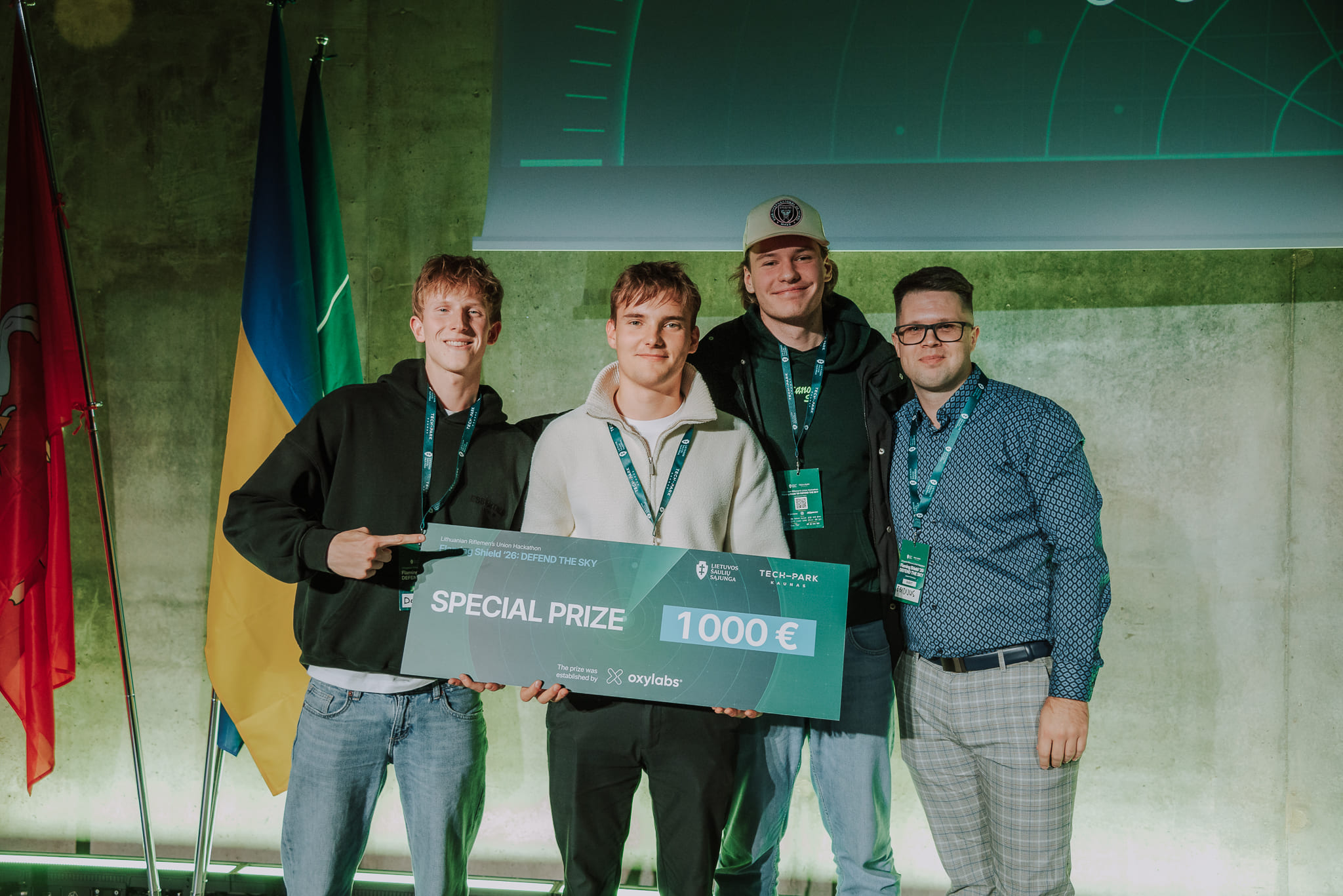
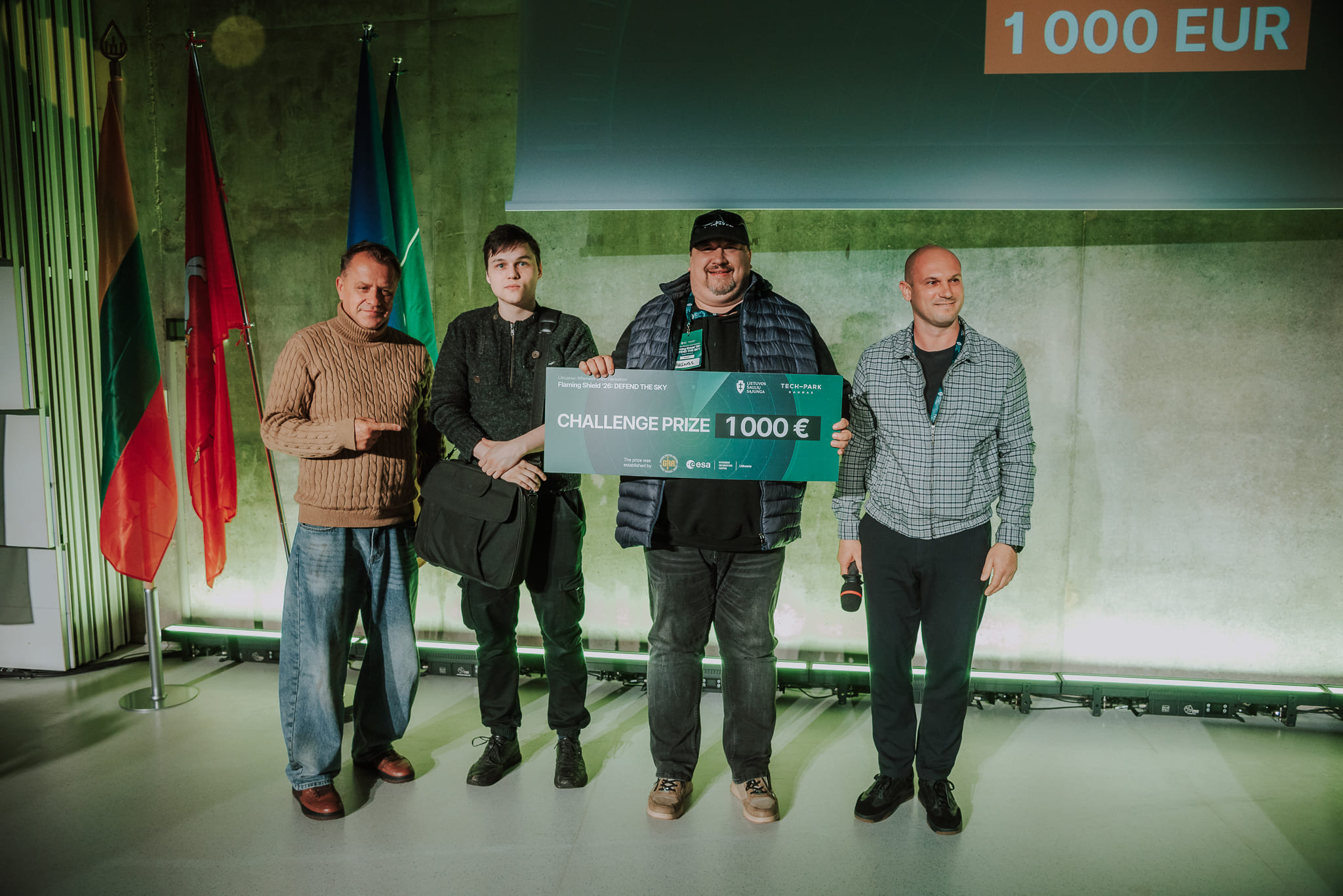
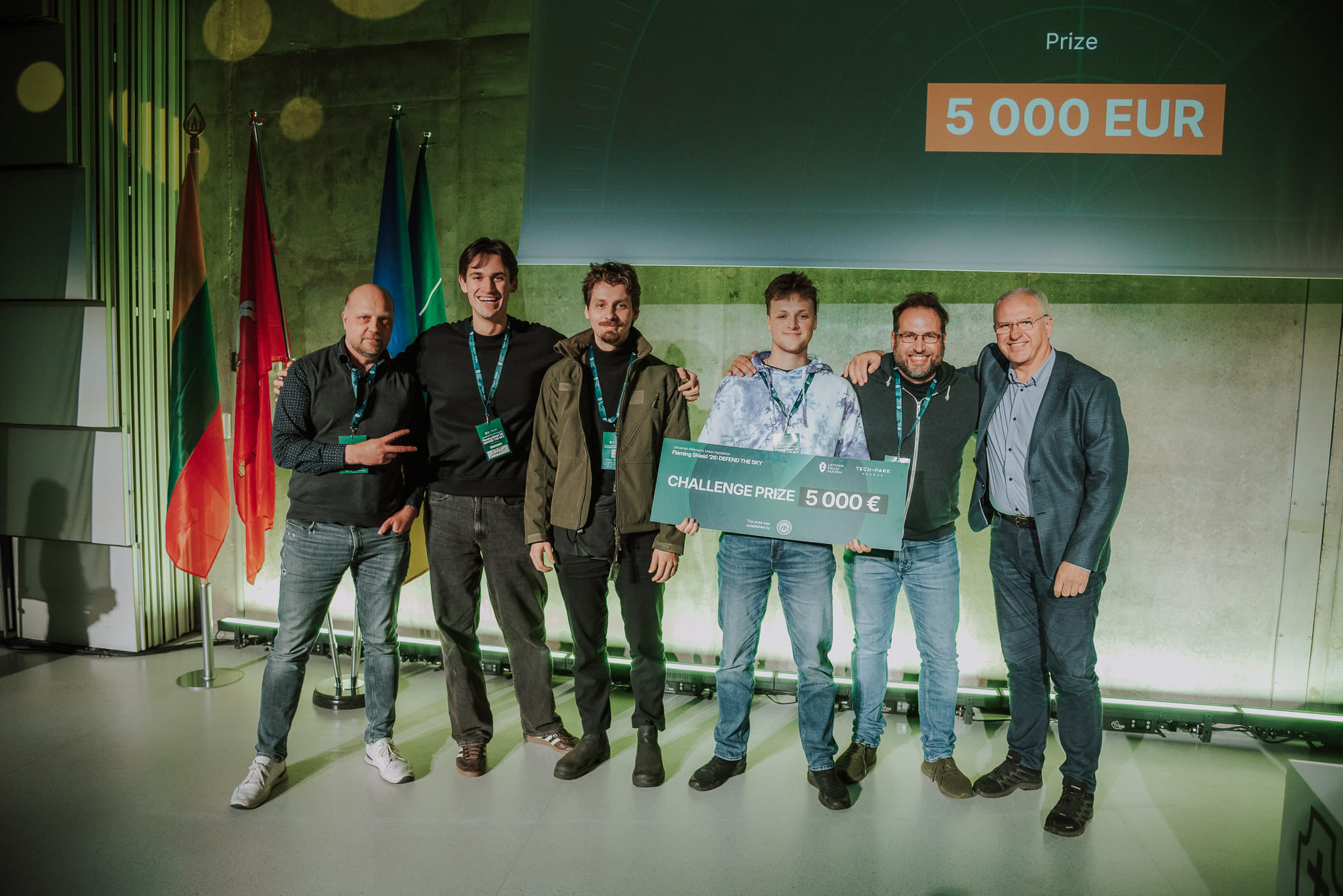
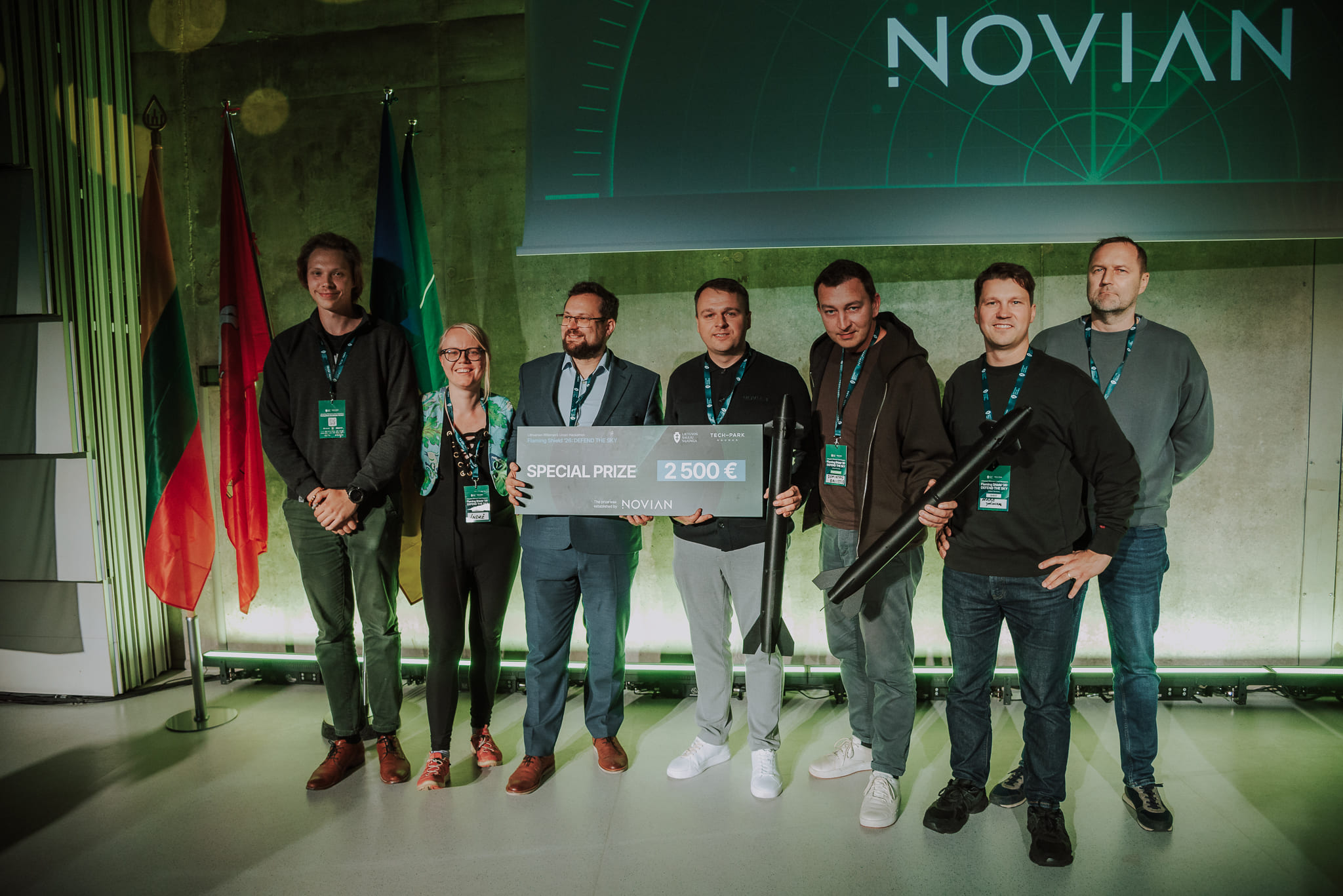
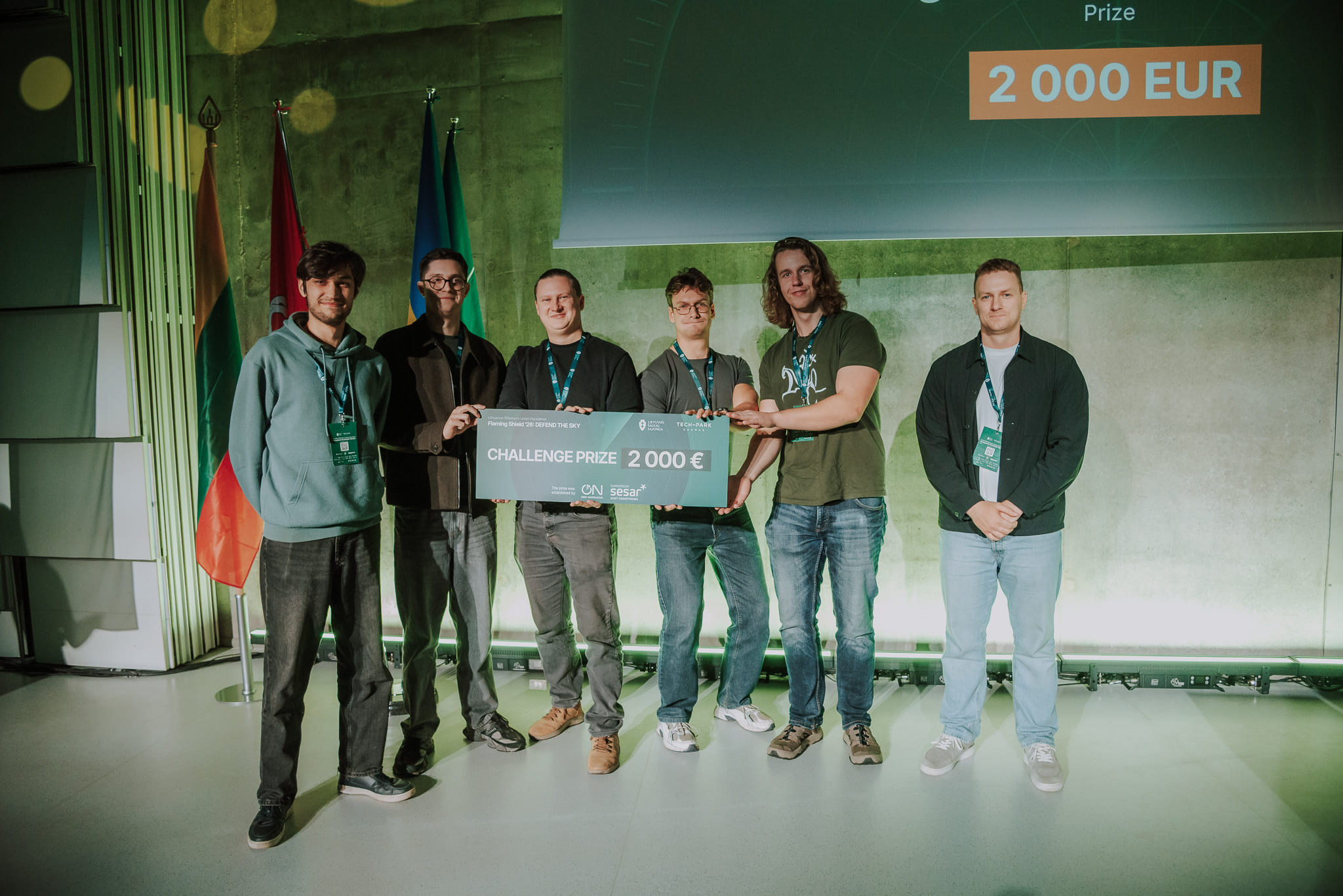
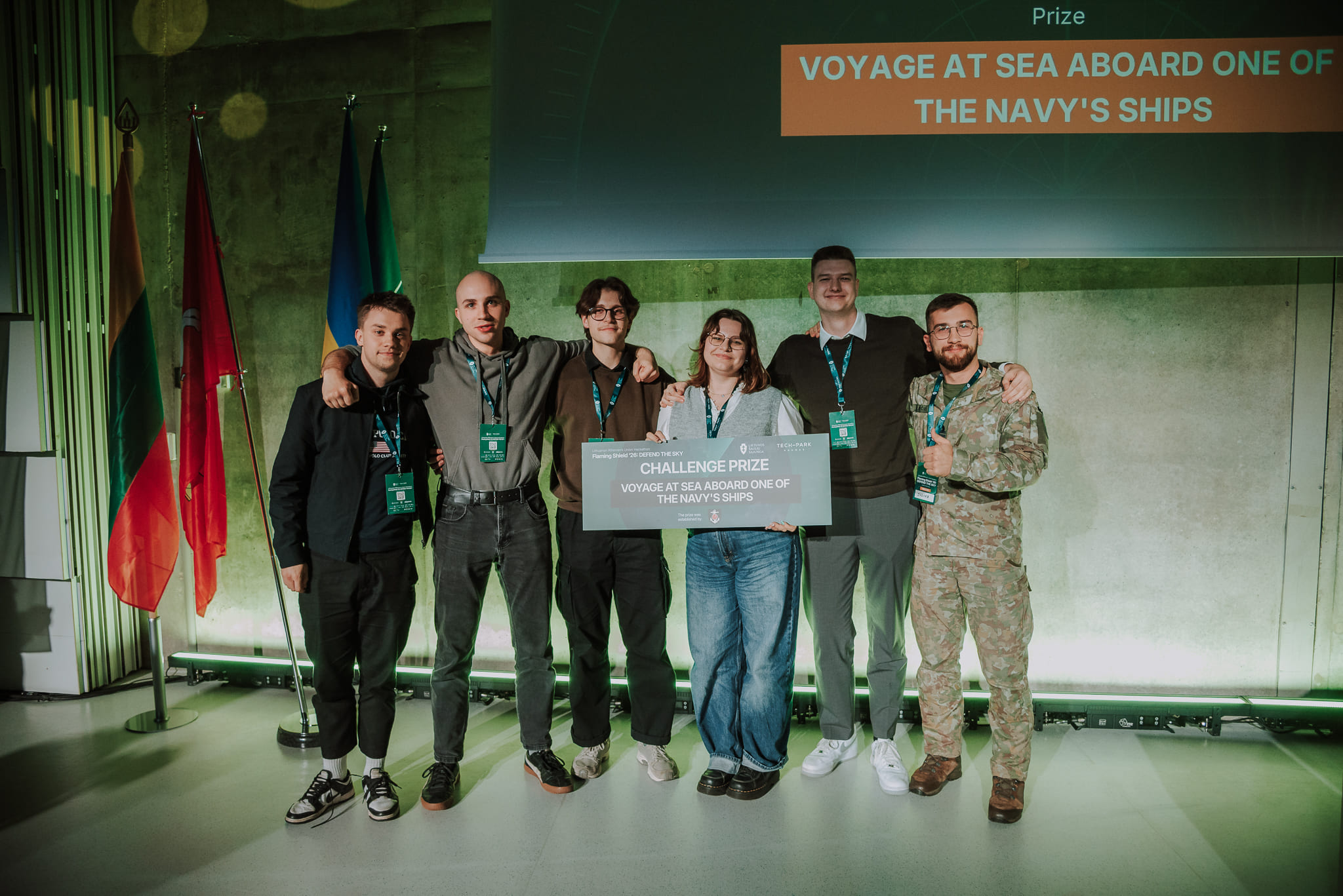
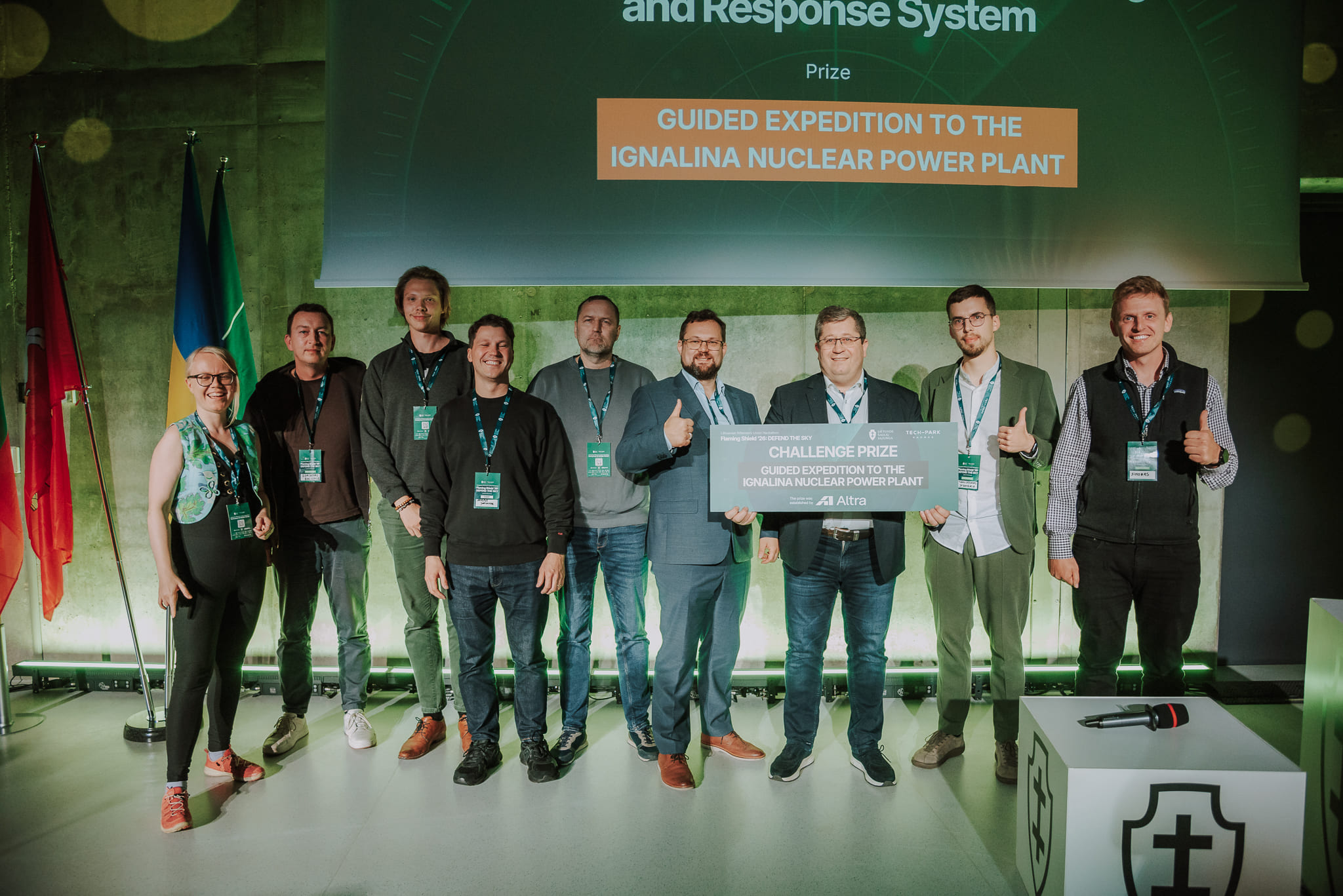
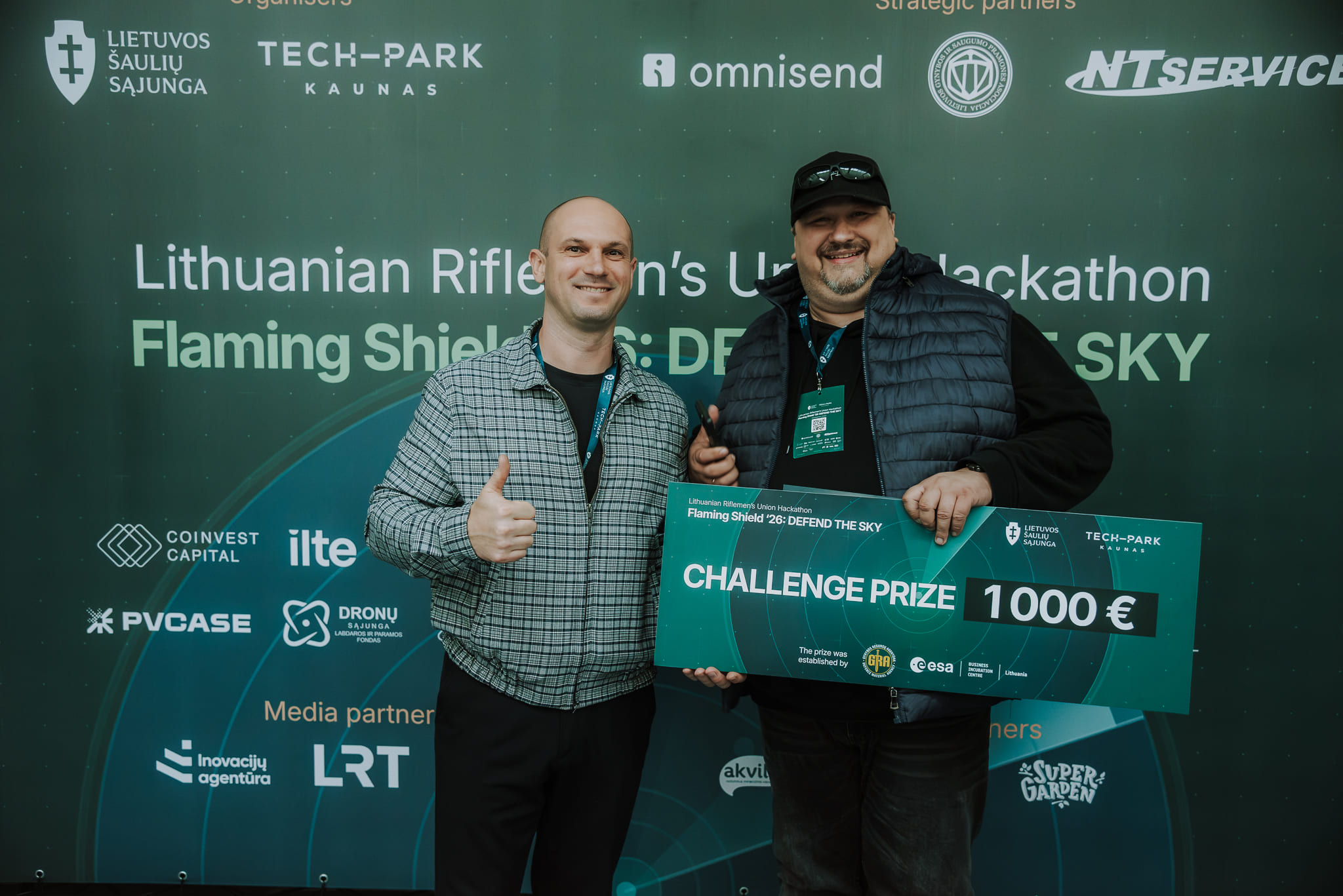
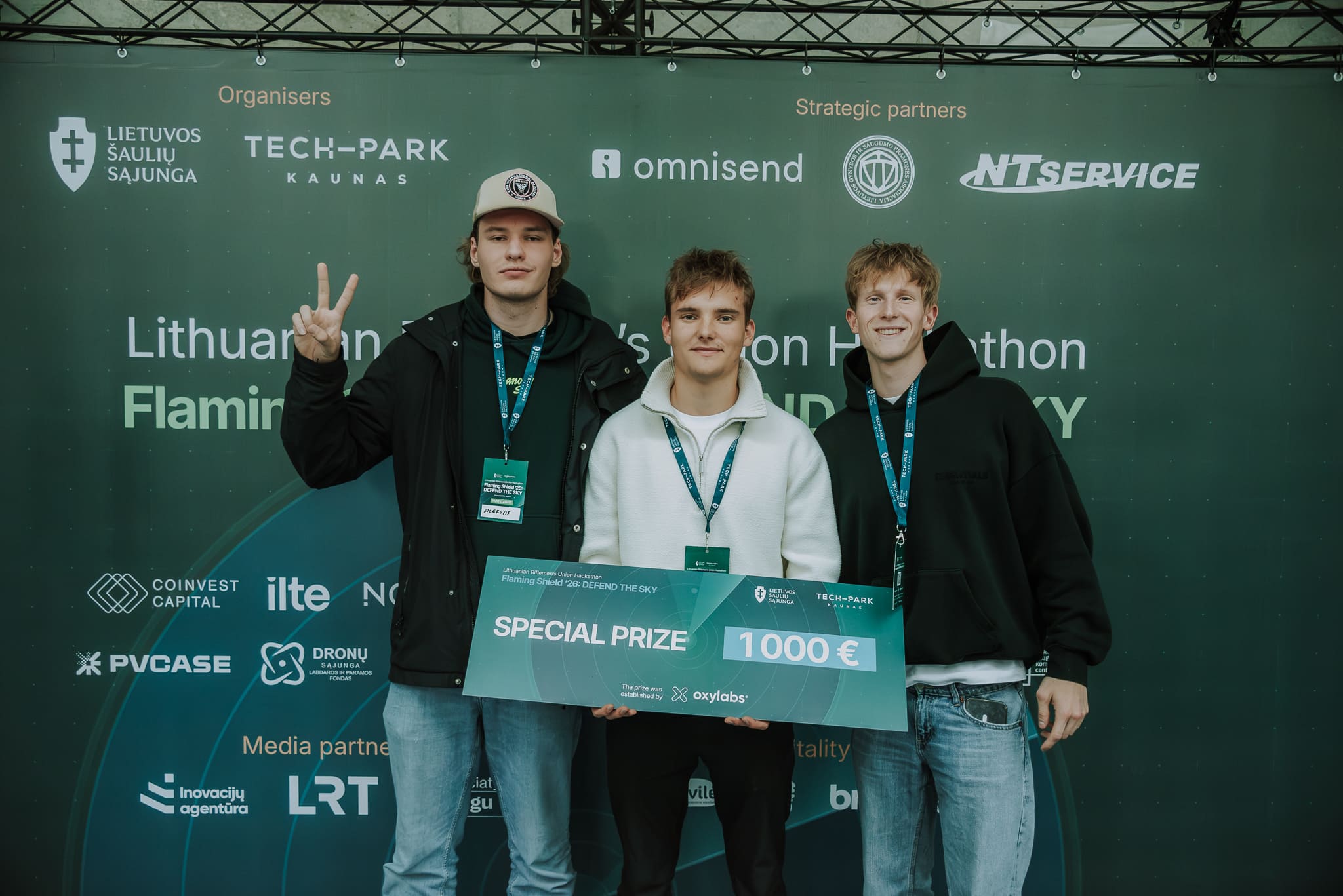
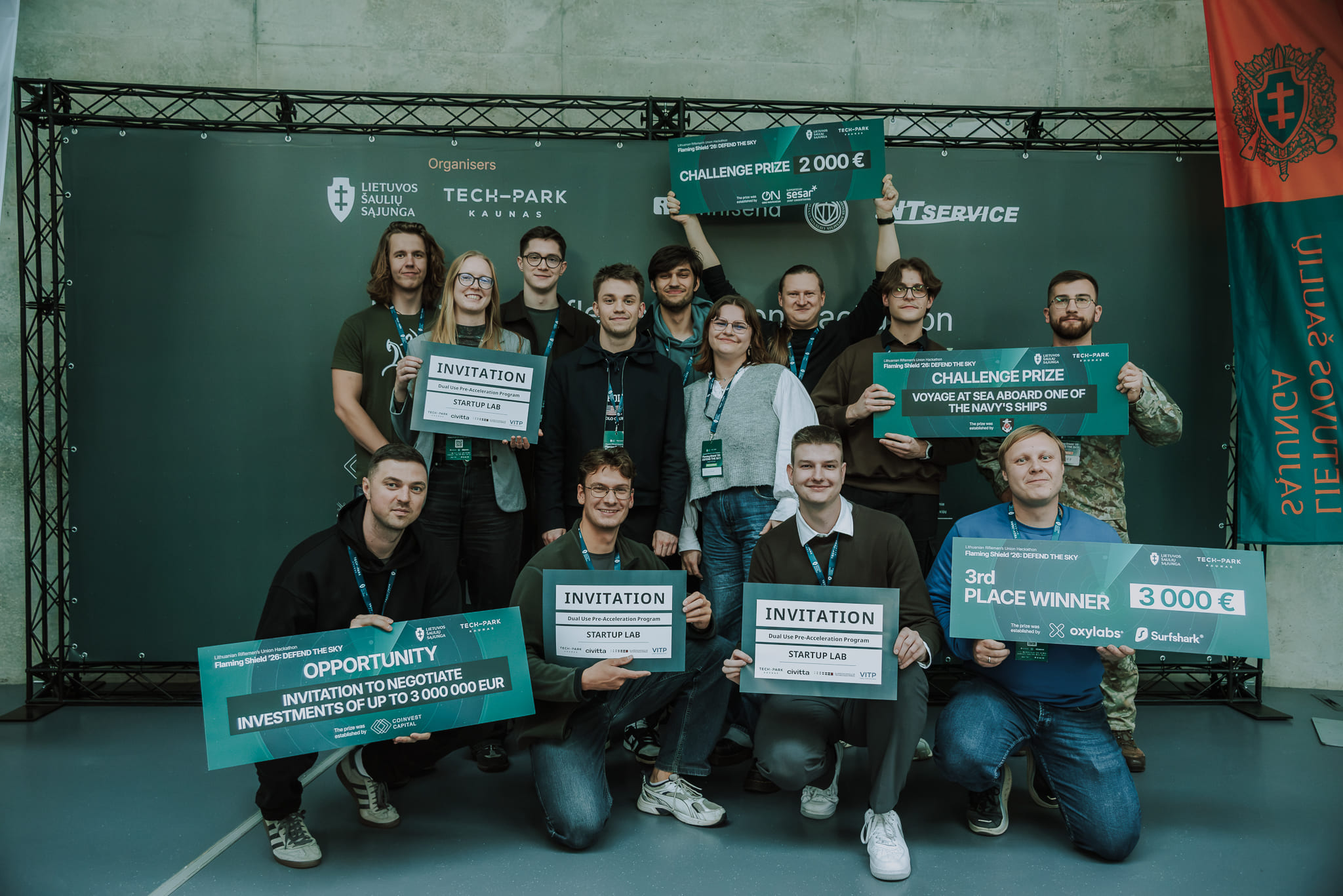
The winners received cash prizes as well as awards established by partners Omnisend, NT Service, Oxylabs, Surfshark and the charity and support foundation “Dronų sąjunga” (Drone Union). The total cash prize fund awarded at the event exceeded €30,000.
According to Paulius Nezabitauskas, Director of Tech-Park Kaunas, this year stood out not only for the participants’ level of preparation, but also for record business involvement.
“I am glad that not only the number of participants is growing, but also their level of preparation. People are getting ready before the hackathon even starts, arriving with solutions they began developing months ago. We have invited a significant number of teams to a pre-acceleration programme, where they will be able to work with the military and international partners and test their products at training grounds,” says Nezabitauskas.
Cyber Arena: cyber battles and AI duels
Alongside the hackathon, the Lithuanian Riflemen’s Union cyber security company “Lizdeika” organised the Cyber Arena, which brought together around 60 cyber security professionals and advanced enthusiasts.
Participants competed in three disciplines. In CTF (Capture the Flag), teams solved cyber security tasks; in Bug Bounty, they searched for security vulnerabilities in the information systems of Vilnius City Municipality; and in King of the Hill, they defended their own systems while trying to take over their opponents’ infrastructure. For the latter, the National Cyber Security Centre provided its cyber range infrastructure and expert support.
King of the Hill drew particular attention, as it featured competing AI agents. It revealed that even the most advanced technologies still require human ability to assess a situation, formulate tasks and choose a strategy.
“Technology is only as effective as our ability to use it. That is why the ‘Lizdeika’ company brings together cyber security professionals whose knowledge, critical thinking and decision-making skills can contribute to Lithuania’s security,” emphasises Tomas Musius, platoon commander of the company.
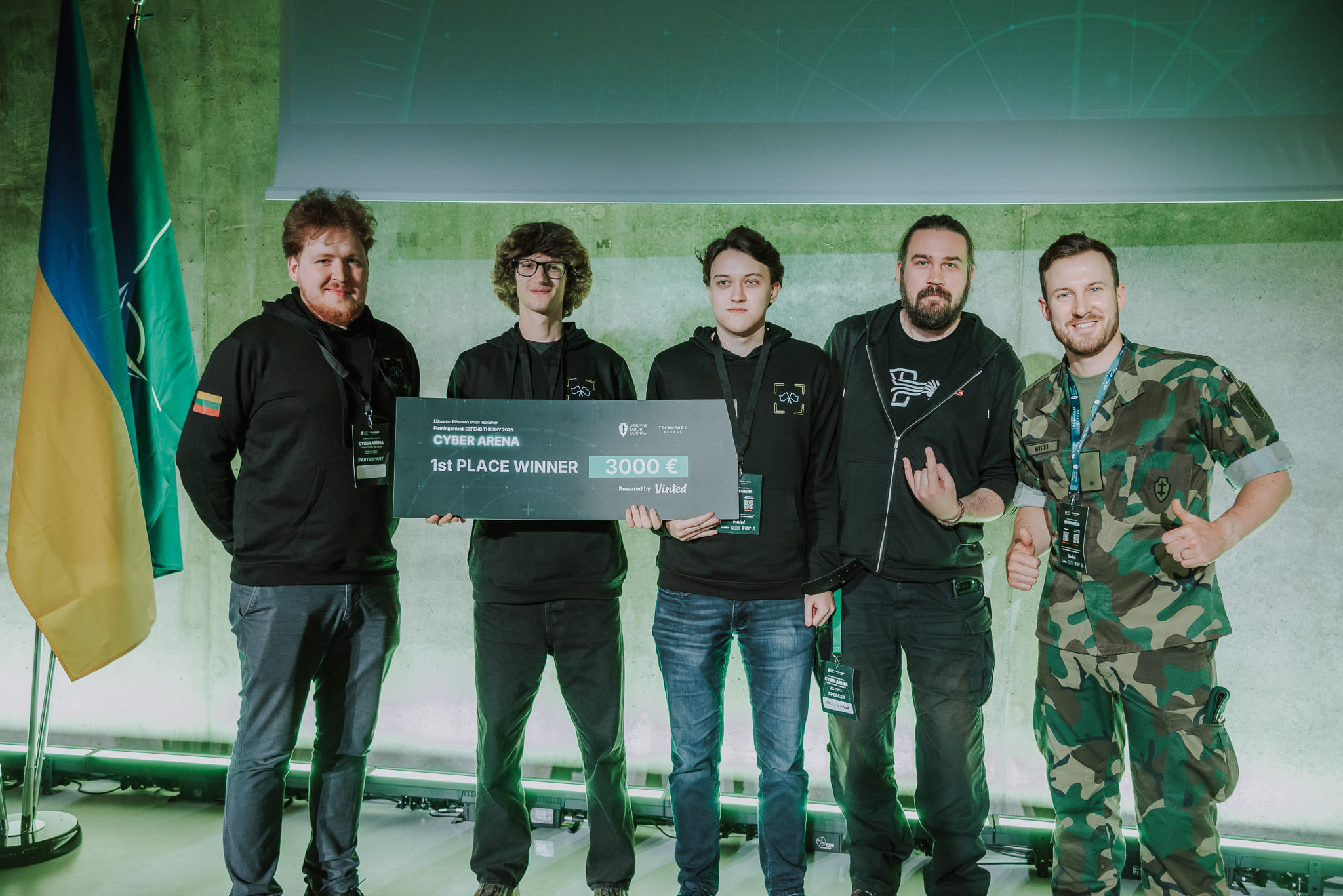
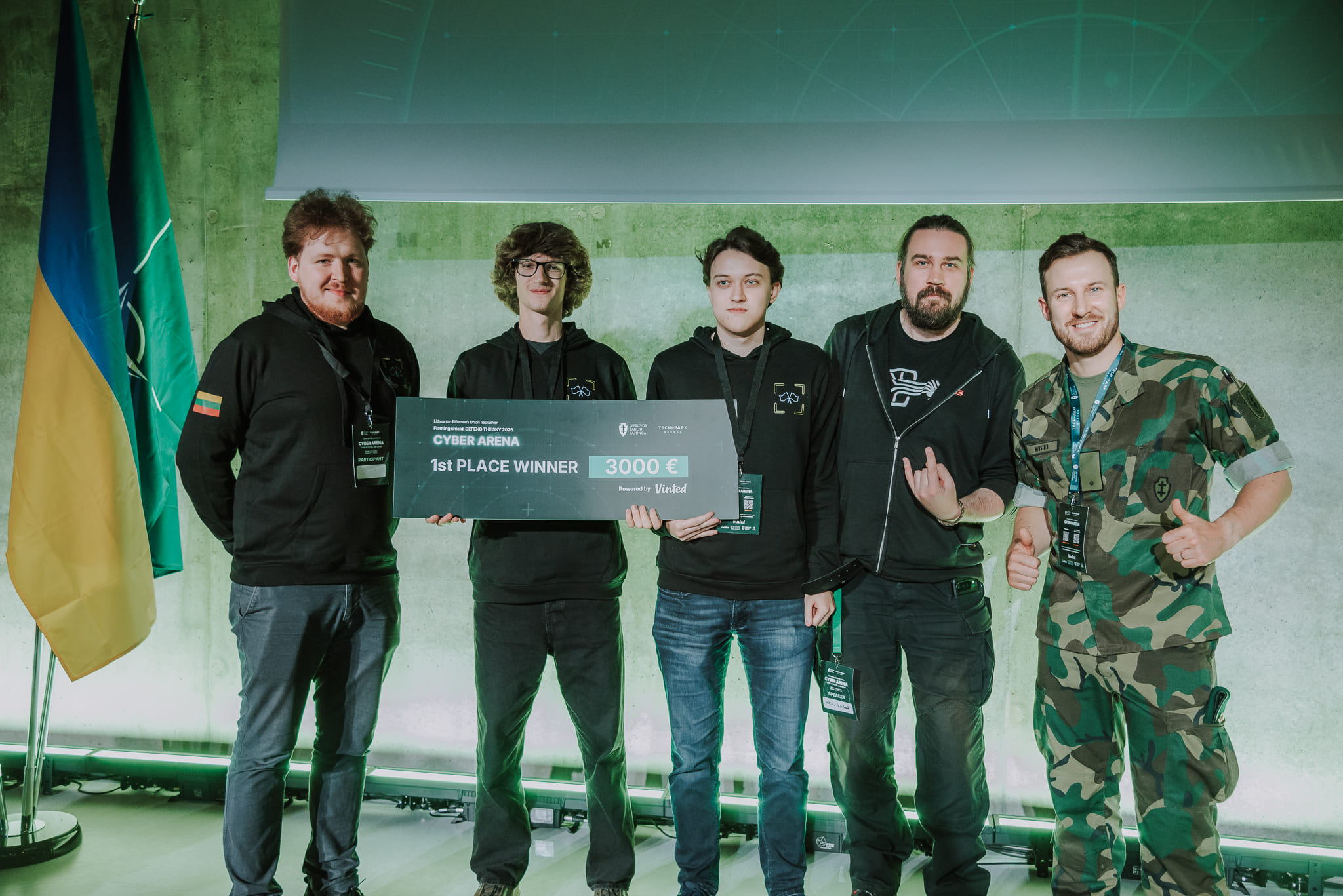
The Cyber Arena was won by team “H4ck3r_4P3s”, which achieved the best overall result across all three disciplines.
“Although we have been taking part in cyber security competitions for years, what surprised us most was King of the Hill, where AI agents competed. It showed that the human role remains essential – our victory came down to the right strategy and teamwork,” say the representatives of the winning team.
The top-performing Cyber Arena teams shared a €10,000 prize fund established by Vinted.

The hackathon is over – the technology journey is just beginning
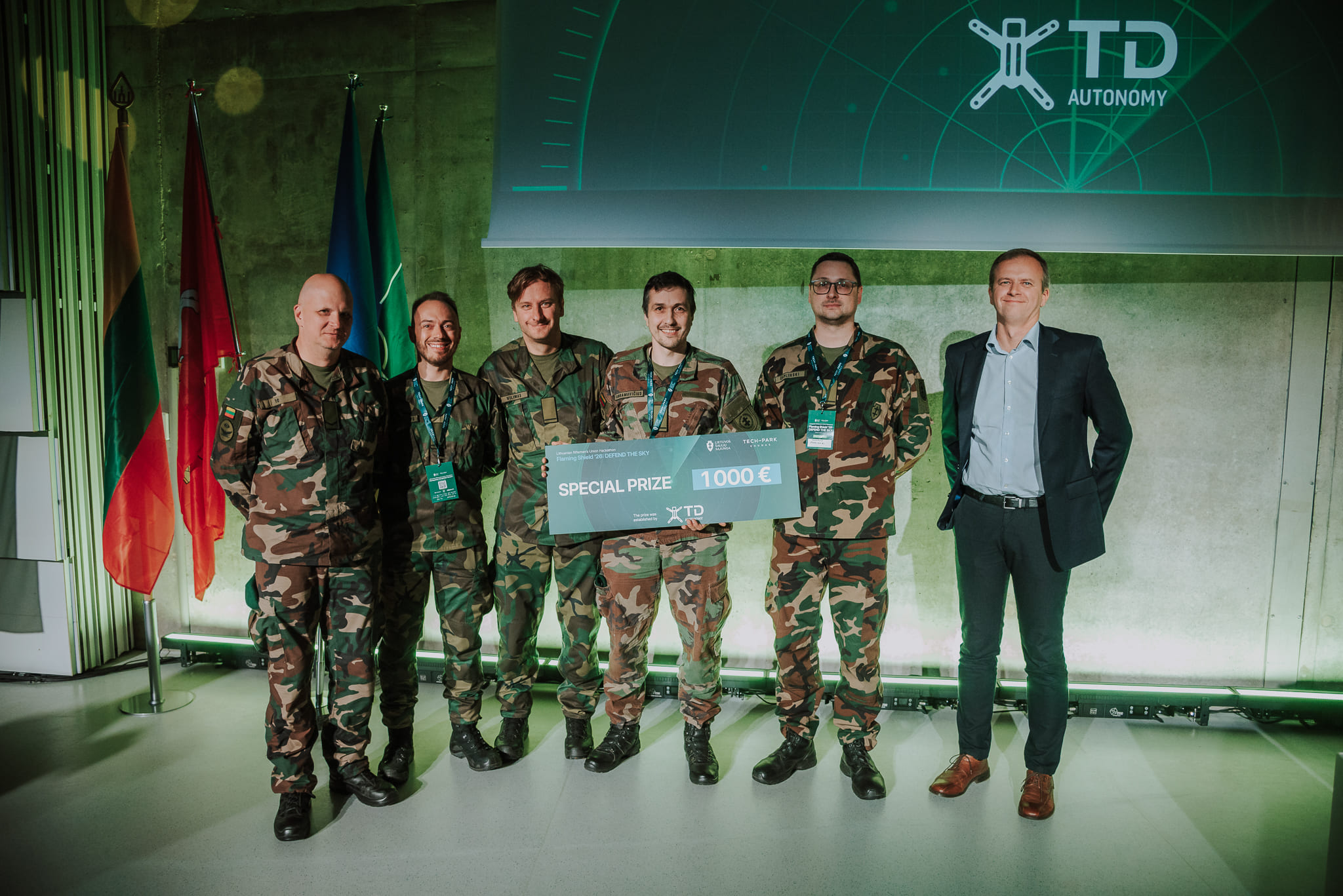
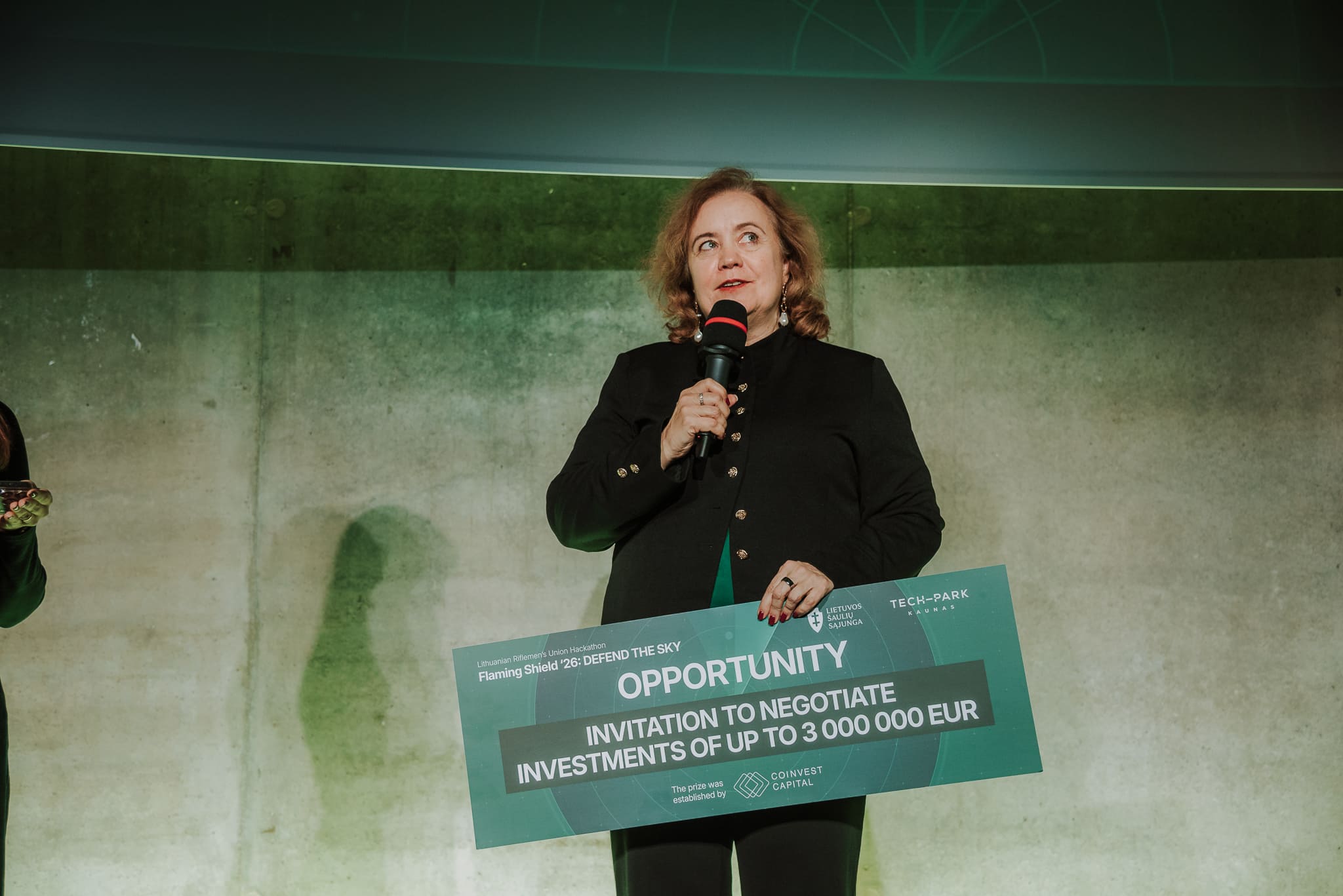
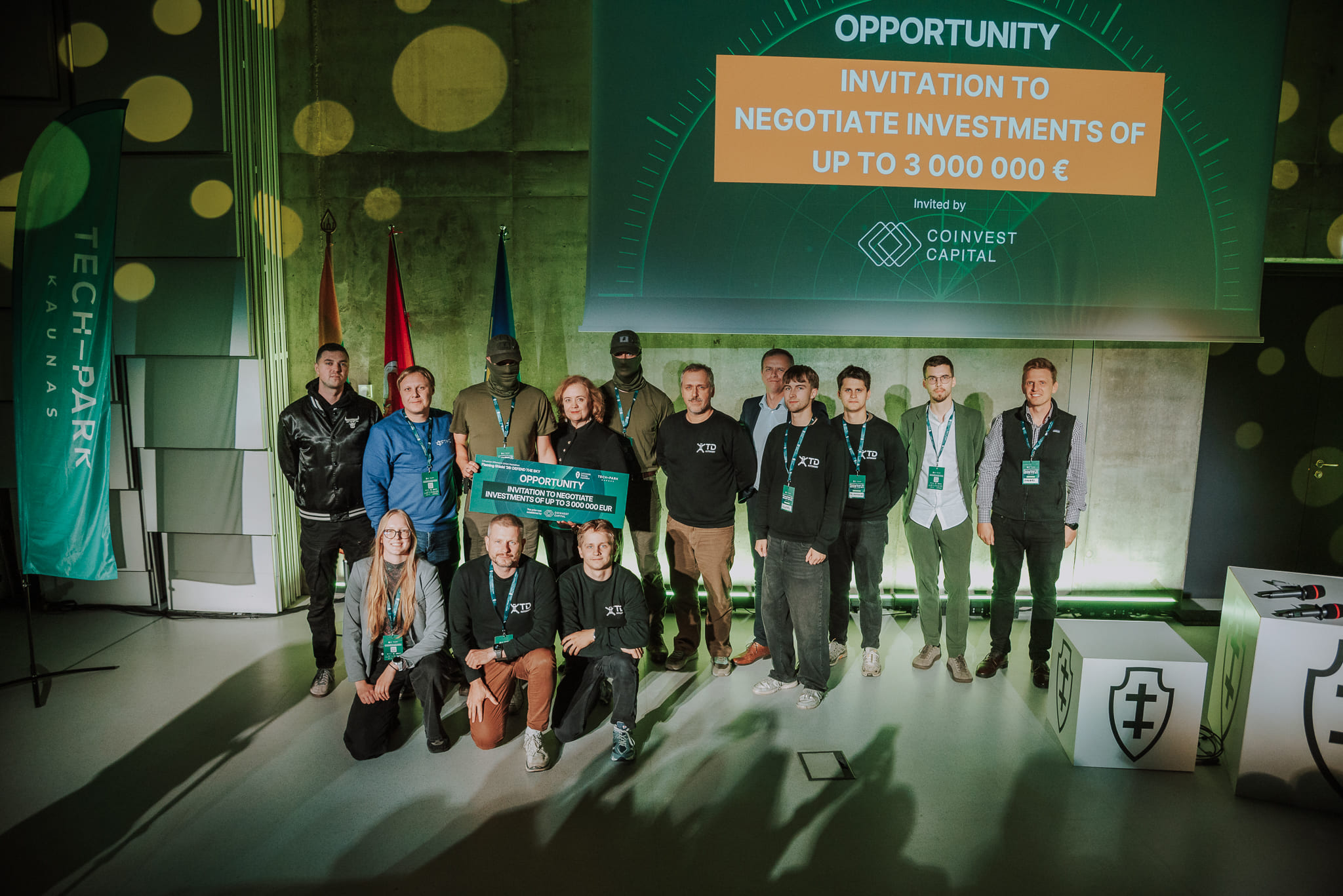
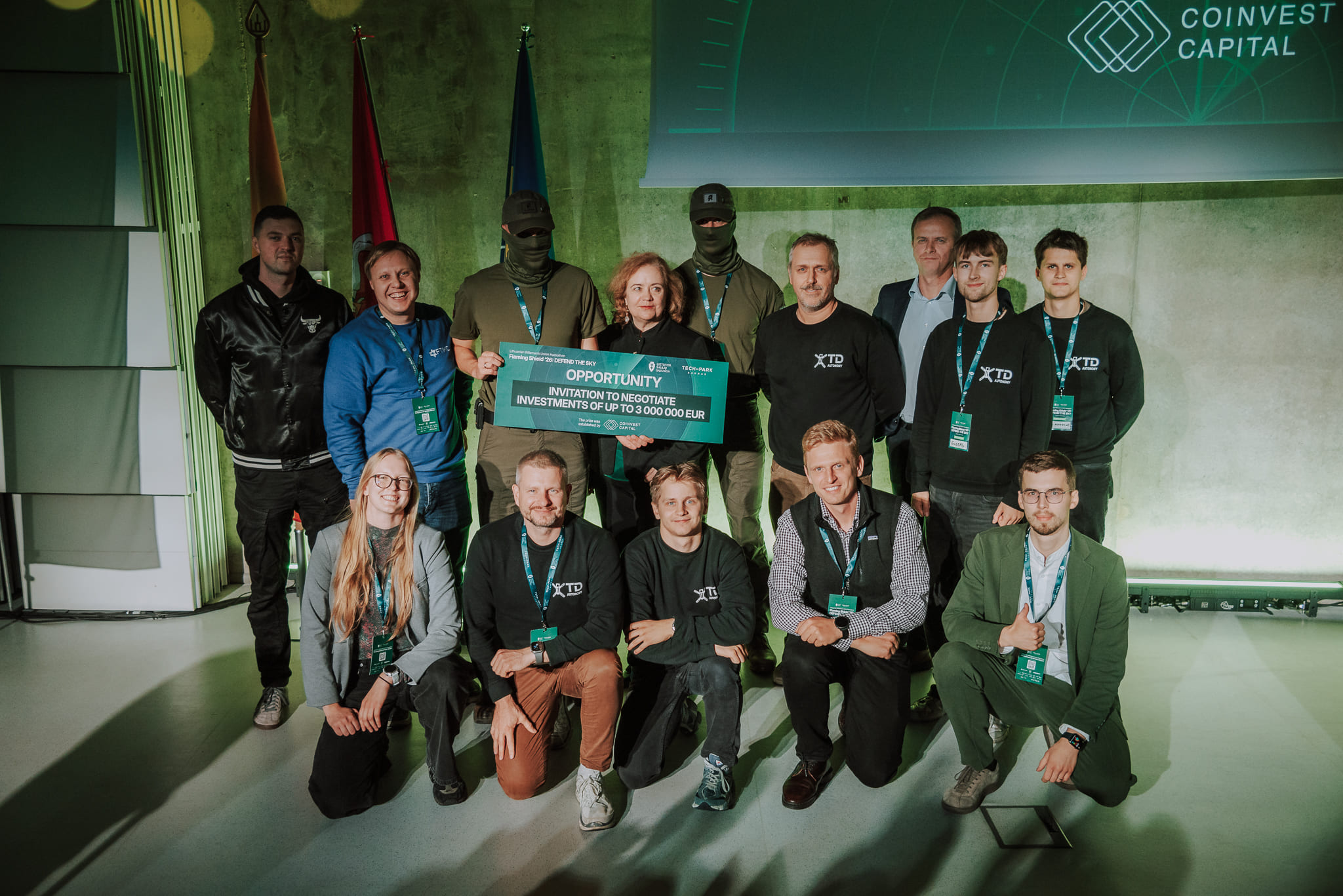
One of the most significant outcomes of this year’s hackathon was investor interest in the technologies presented. Four teams – “RAGVA”, “3P defence”, “RADIS” and “TD Autonomy” – have been invited to negotiate potential investments with the venture capital fund Coinvest Capital. The fund plans to invest up to €3 million in the selected teams’ projects.
“These four teams not only caught our attention, but also received the highest scores from a large jury made up of investors, partners from Ukraine and the defence ecosystem, and experienced officers, so we invited them to discuss their growth plans and potential investment,” says Viktorija Trimbel, Head of Coinvest Capital.
The teams also have opportunities to further develop their technologies in an international environment. The most promising participants will be invited to join an EU co-funded dual-use technology pre-accelerator and the “DEFINE AI Foundry” programme of Finland’s defence innovation network DEFINE.
Over four years, Flaming Shield has grown into a platform connecting defence technology developers, the military and investors. Companies founded by participants of previous hackathons – including Luna Robotics, Broswarm, TD Autonomy and Astrolight – have already raised more than €7 million in investment.
The defence technology hackathon “Flaming Shield ‘26: Defend the Sky” was organised in Kaunas on 9–11 October by the Lithuanian Riflemen’s Union and Tech-Park Kaunas.
Strategic partners – Omnisend, NT Service and the Lithuanian Defence and Security Industry Association. Main Cyber Arena partner – Vinted.
More information – www.sauliuhakatonas.lt.
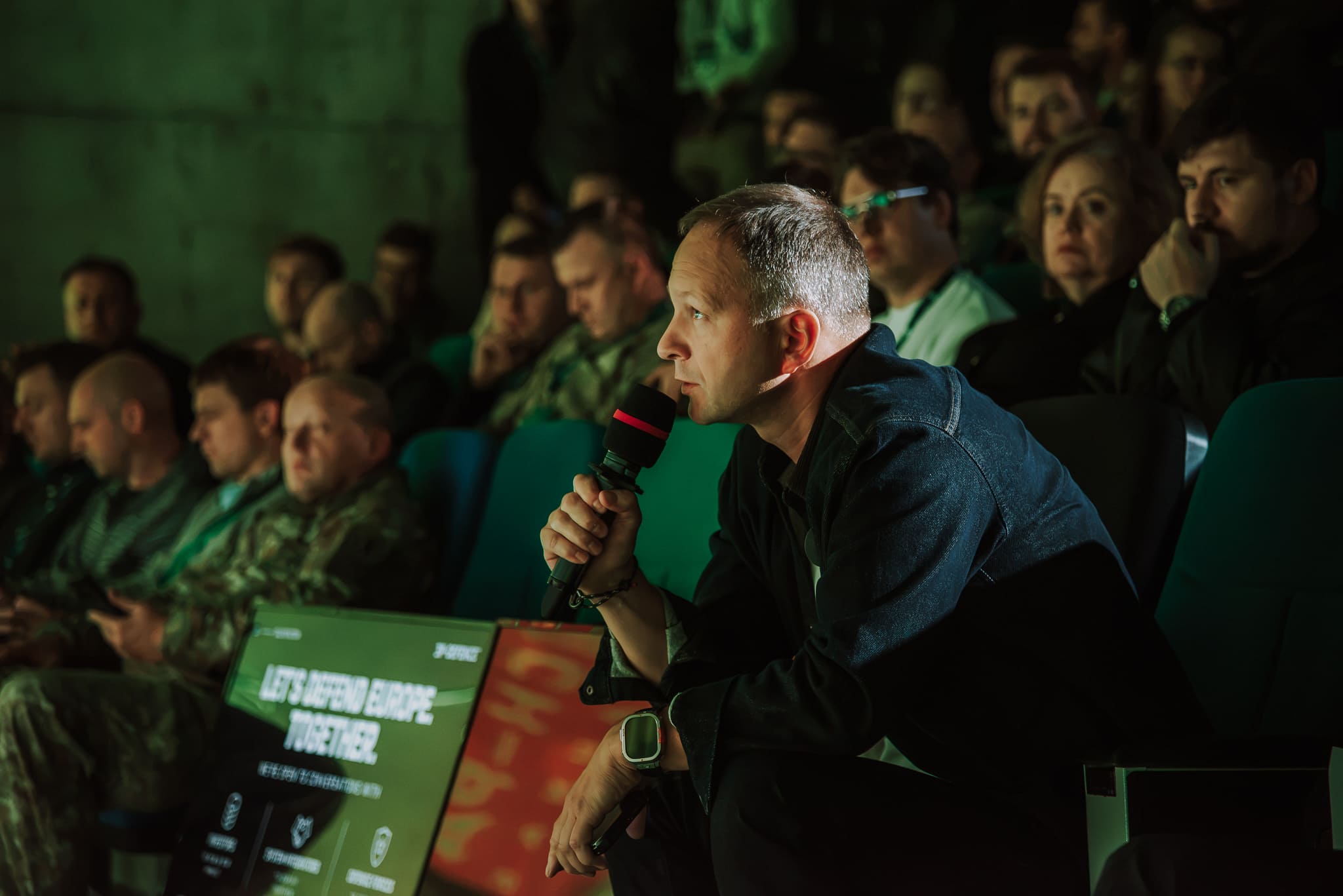
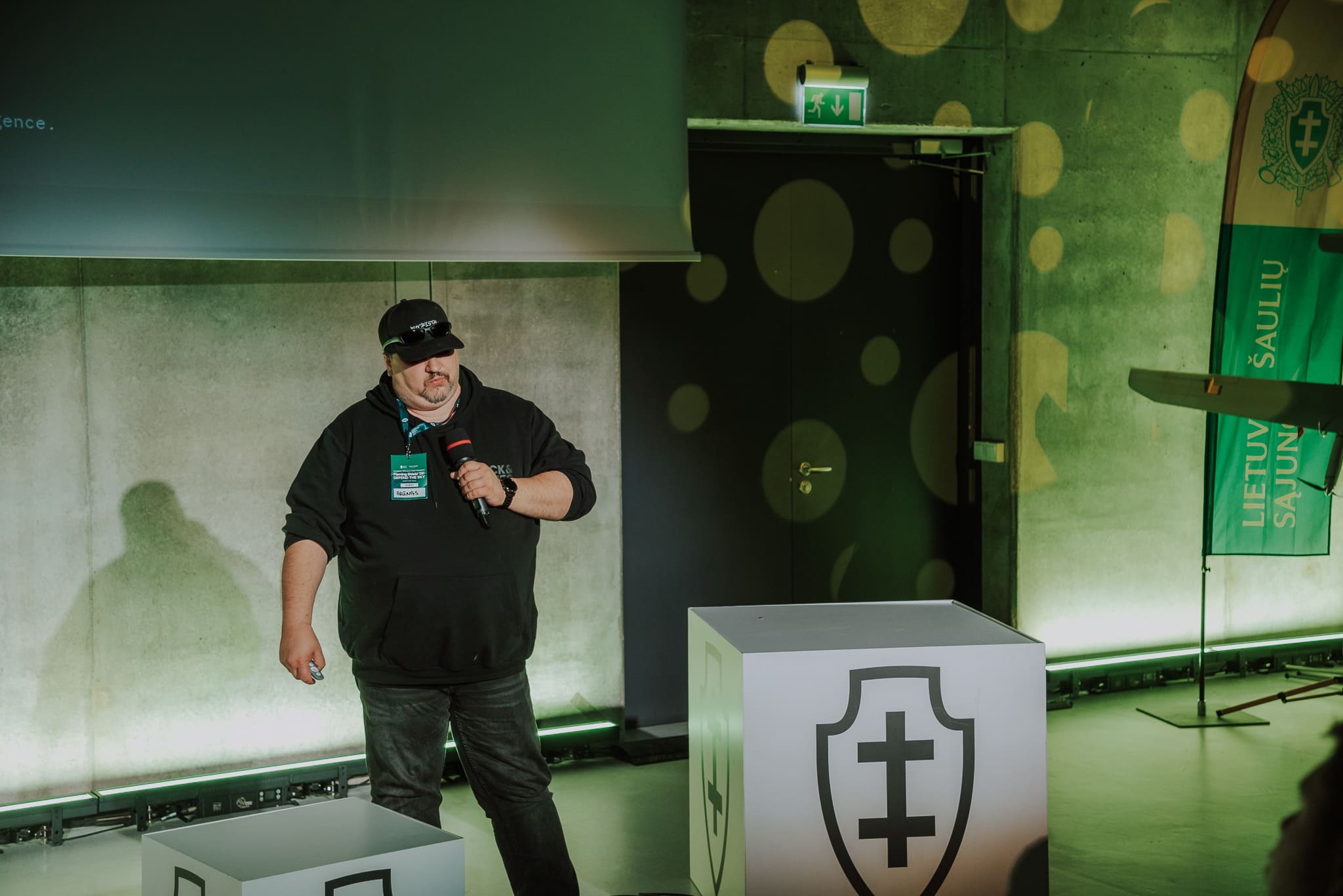
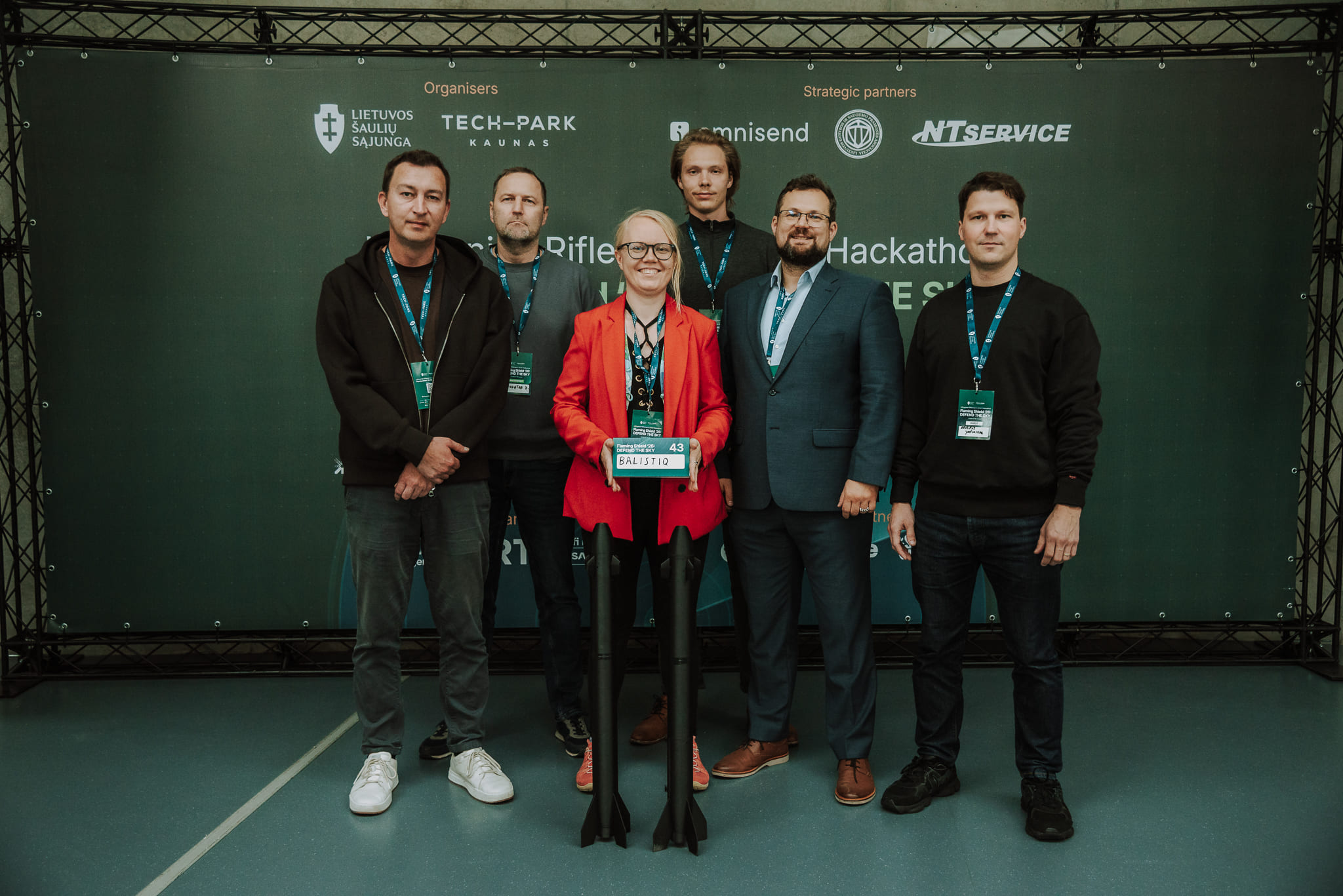
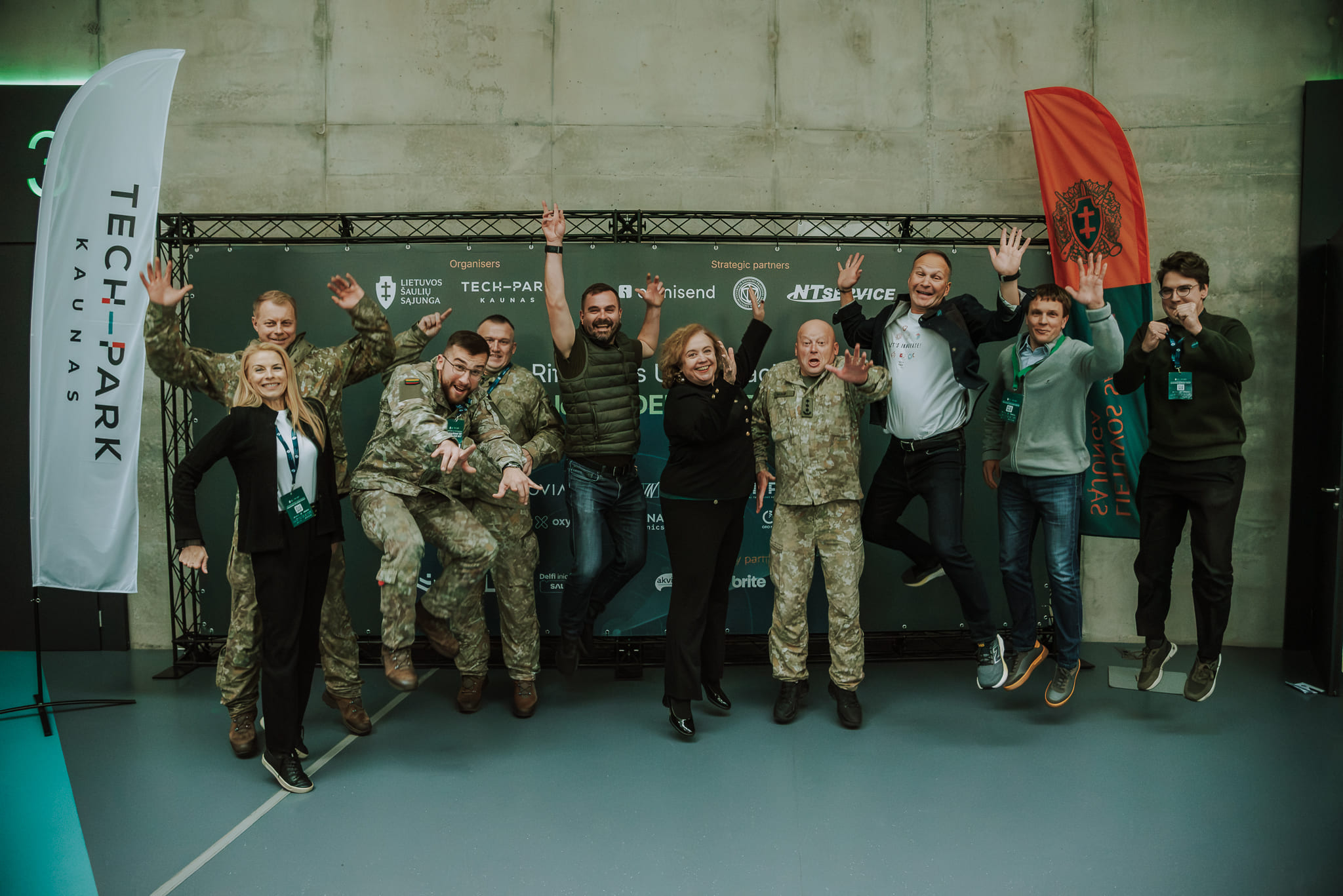
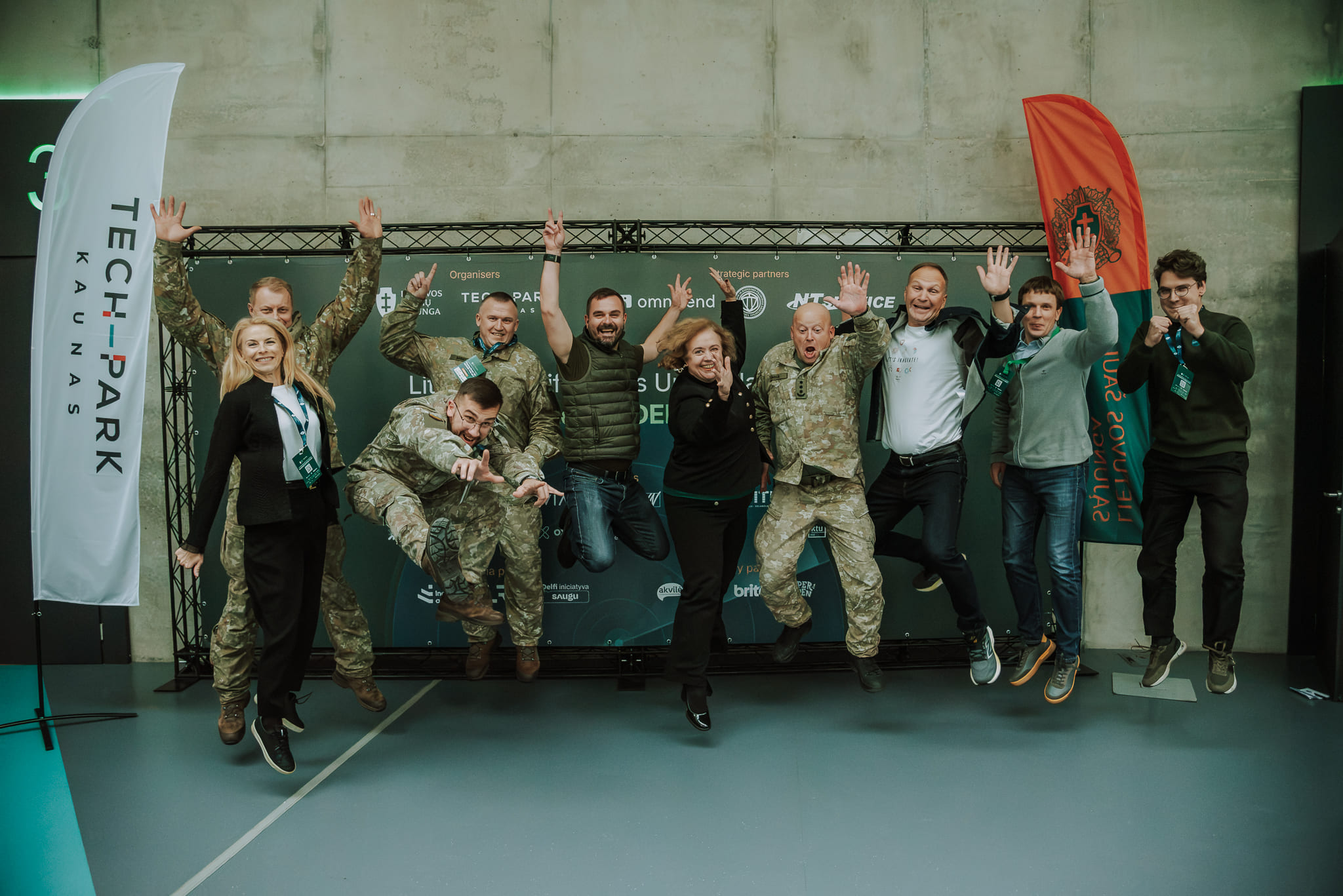
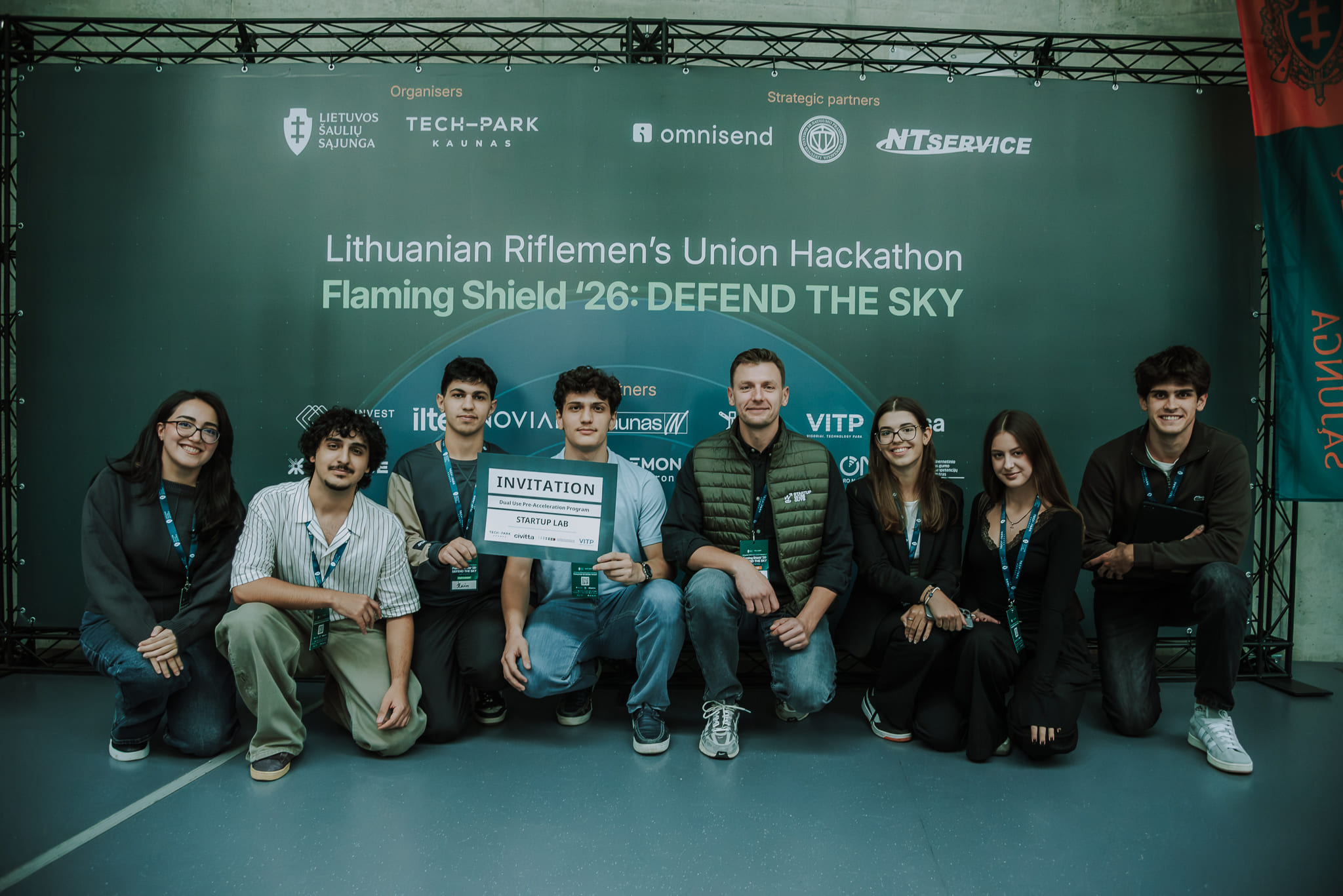
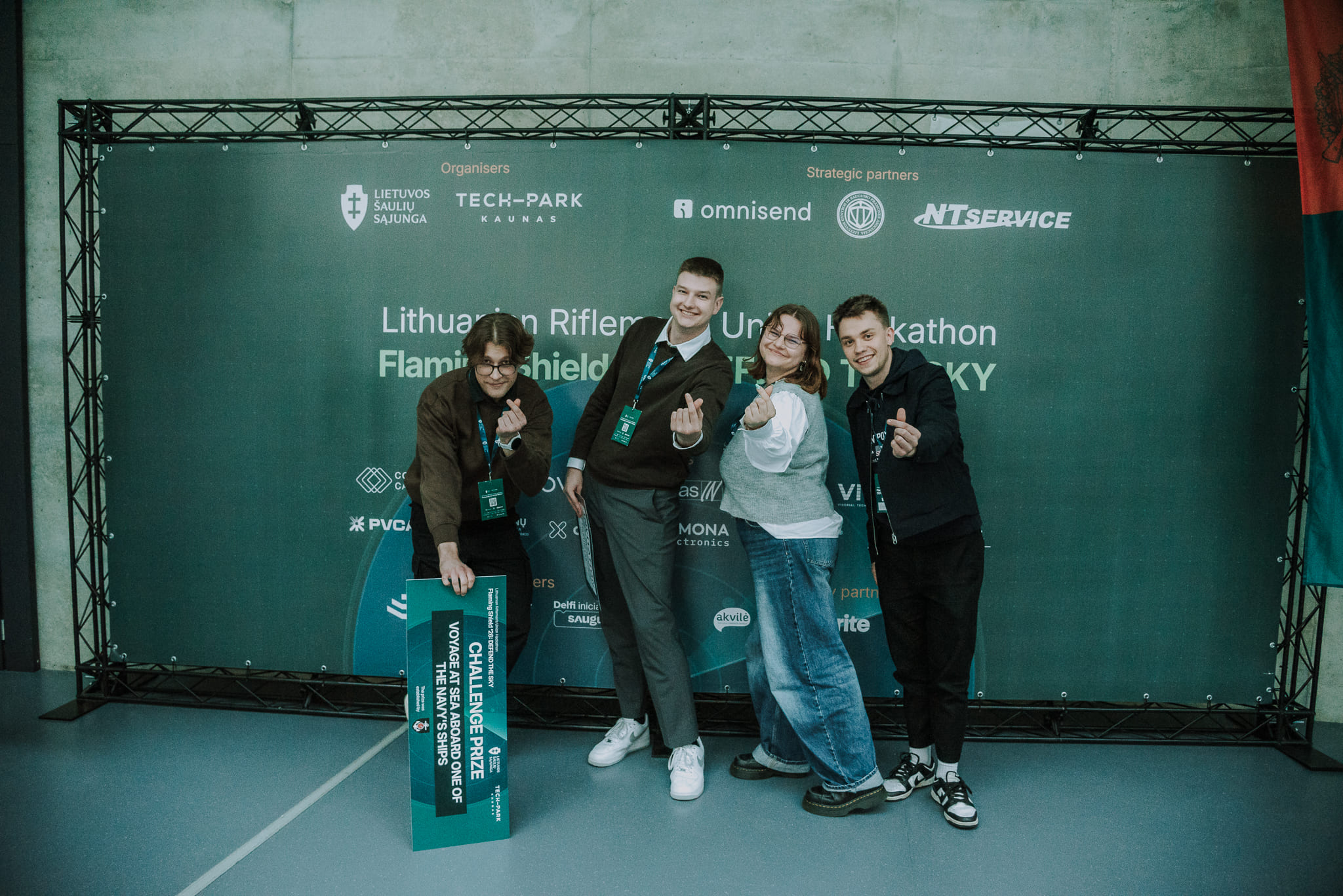
“Flaming Shield ‘26: Defend the Sky” – moments from the event. Photos by Vidmantas Činauskas.